
Creating Comfort in a New Space Through Color and Texture
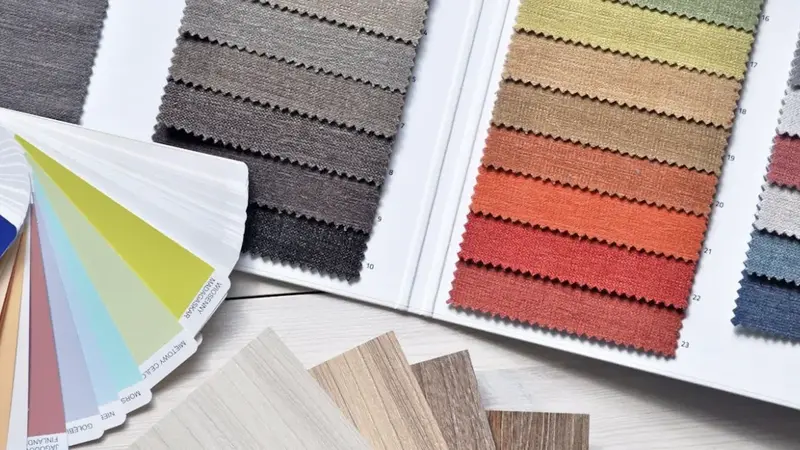
Moving into a new home can be both exciting and unfamiliar at the same time. You may like the layout, but the space still feels cold. Creating comfort in a new space begins with choices that impact how you feel every day. Color and texture shape mood faster than furniture alone. Warm tones soften rooms. Layered materials add a sense of ease. Design is not about trends. It is about how your home supports daily life. Many designers agree that comfort grows when visual balance meets personal taste, a concept often explored when discussing the art behind every space and why interior design is interesting. When you understand this connection, decorating feels less stressful and more intuitive.
Why Color Sets the Emotional Tone of a Room?
Color speaks before furniture does. Soft neutrals calm the mind and reduce visual noise. Earth tones bring warmth and grounding. Cool shades feel fresh, yet may seem distant if overused. Studies from design psychology sources show that muted blues and greens often support relaxation, while warmer hues support social spaces. You do not need bold walls to feel comfortable. Try color through pillows, throws, or art. This approach gives flexibility as tastes change. When rooms feel off, color balance often causes it. Adjusting tones can shift the entire mood without major changes. This method works well when creating comfort in a new space with limited time or budget.
Texture Turns a House Into a Home
Texture adds depth that flat surfaces cannot. Smooth walls paired with soft fabrics create contrast. Natural materials bring a sense of calm. Rugs, curtains, and cushions help absorb sound, which makes rooms feel quieter. Many families prefer layered textiles because they feel inviting and lived-in. This is why designers often recommend adding natural fiber rugs for comfort and style, especially in shared or children’s spaces. Textures also help rooms feel warmer without changing the temperature. Mixing materials like wood, wool, and cotton keeps spaces interesting without feeling busy. When your home feels plain, texture is often the missing piece.
Smart Layout Choices
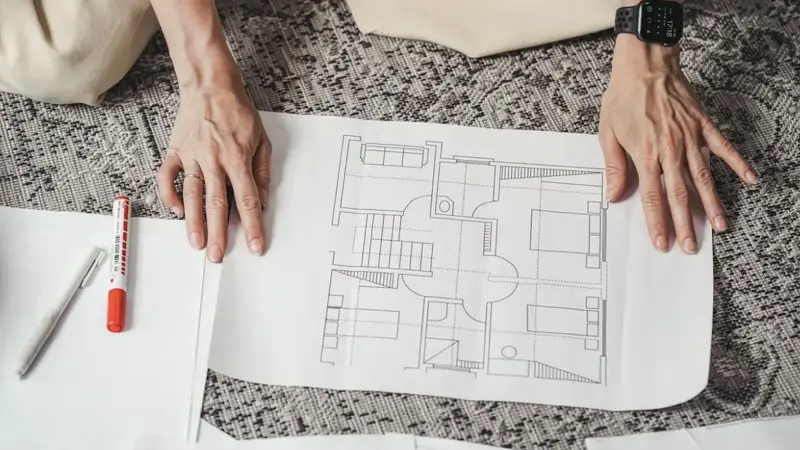
Comfort also depends on how you move through a room. Furniture placement affects how safe and open a space feels. You should make the best use of the space by keeping walkways clear and seating connected. Rooms feel calmer when movement feels easy. Avoid pushing all furniture against the walls. Floating pieces can create intimacy. Use rugs to define areas without walls. This approach helps large rooms feel cozy and small rooms feel organized. When layout supports daily habits, comfort follows naturally. This step matters as much as color or fabric choices.
Balance Comes From How Elements Work Together
Comfort grows when rooms feel visually balanced. Balance does not mean symmetry. It means nothing feels heavy or empty. A large sofa needs visual support from lighting or art. Too many small items can feel cluttered. Designers often explain what makes a room balanced and welcoming by focusing on scale, spacing, and flow. Color and texture play key roles here. Soft textures balance hard surfaces. Neutral colors calm bold features. When balance feels right, you relax without knowing why. These feelings matter when settling into a new home. It helps you feel grounded faster and more naturally.
Understanding How Color Psychology Shapes Comfort
Color does more than decorate walls — it affects how you feel. Warm tones like red and yellow can energize a room, while cool hues like blues and greens tend to calm the mind and lower stress. This is because different colors trigger emotional responses in the brain, impacting mood, focus, and even relaxation levels. When you choose colors intentionally, you influence how your space feels each day. For example, soft blues in a bedroom help support rest, while muted greens in a living area can create a balanced, peaceful vibe. Understanding these effects helps you select palettes that support your well-being. Thoughtful color choices connect your emotional responses with physical space, making rooms feel welcoming, nurturing, and aligned with how you want to live.
Building a Cohesive Color Palette for Comfort
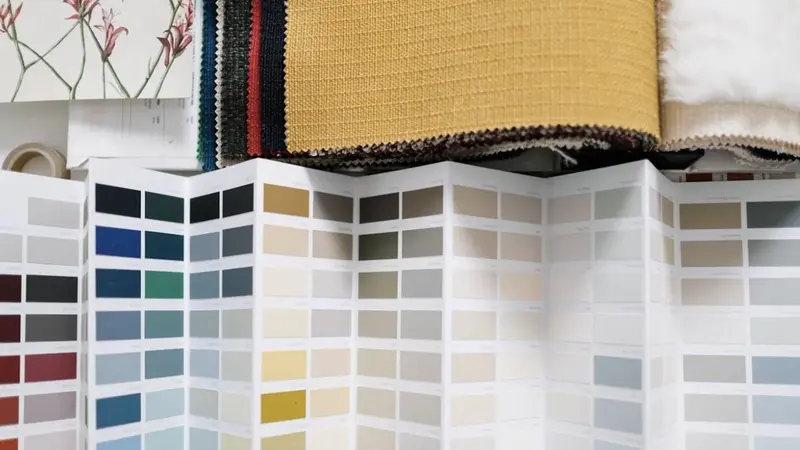
Creating a connected look across rooms helps comfort flow from space to space. Instead of choosing colors randomly, start with a base shade that reflects the mood you want throughout your home. Earthy, nature-inspired palettes trending in interior design this year — with warm neutrals and grounding hues — give cohesion and warmth without feeling flat. Use two to three complementary tones that relate on the color wheel so transitions between rooms feel smooth and intentional. Building a cohesive house color palette prevents visual clashes that can disrupt ease and comfort. You can then layer in accent hues through textiles, art, or decorative pieces to personalize each area. When colors harmonize rather than compete, your home feels unified, calm, and more comfortable to live in every day.
Light Enhances Both Color and Texture
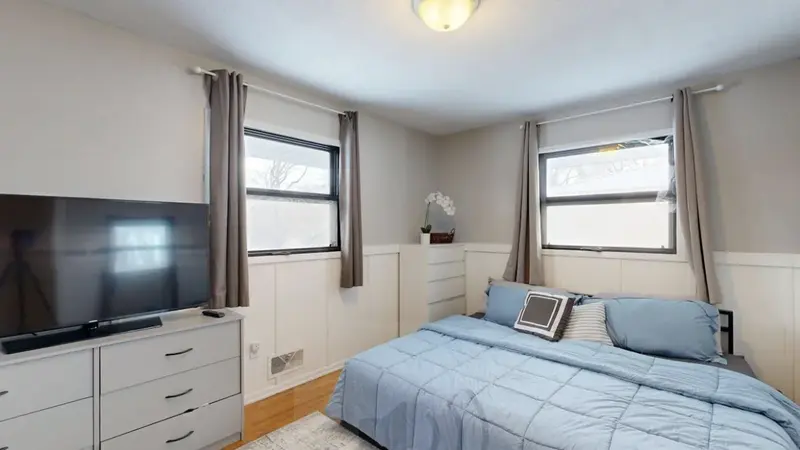
Lighting changes how color and texture appear. Natural light brings out softness. Warm bulbs reduce harsh shadows. Layered lighting creates flexibility throughout the day. Table lamps add comfort in the evening. Overhead lights alone can feel flat. Designers recommend using multiple light sources to support mood and function. Light also affects how textures feel visually. Soft light enhances fabrics. Bright light sharpens edges. Adjusting lighting often improves comfort without changing décor. This step works well during transitions into new spaces.
Avoid Common Comfort Mistakes
Many people rush to fill space quickly. This often leads to discomfort later. Buying too much furniture reduces flow. Ignoring texture creates flat rooms. Overusing one color can feel overwhelming. Instead, build slowly. Test colors before committing. Add texture in layers. Let rooms evolve with use. Comfort improves when choices respond to real needs, not pressure. These small shifts prevent regret and support long-term satisfaction.
Creating Comfort in a New Space Is a Process, Not a Deadline
Comfort does not happen overnight. It grows as you adjust and refine. Trust how spaces make you feel. Change what feels off. Keep what supports rest and connection. Creating comfort in a new space means listening to your daily experience. Color and texture guide that process with subtle power. According to research shared by the American Psychological Association, color directly influences mood and behavior. When your home supports you emotionally, it becomes more than a place to live. It becomes a place to settle, recharge, and belong.


