How Interior Design Affects Mental Health Mintpaldecor
More than just everyday routines, the spaces we occupy affect emotional responses, productivity, and the general well-being. Such thoughtful interior design reduces stress and enhances focus, but also creates a sense of comfort. Mintpaldecor experts will take us on a journey to understand how interior design affects mental health mintpaldecor and how we could design interiors that could nourish the body and mind.
Space And Mood Relationship
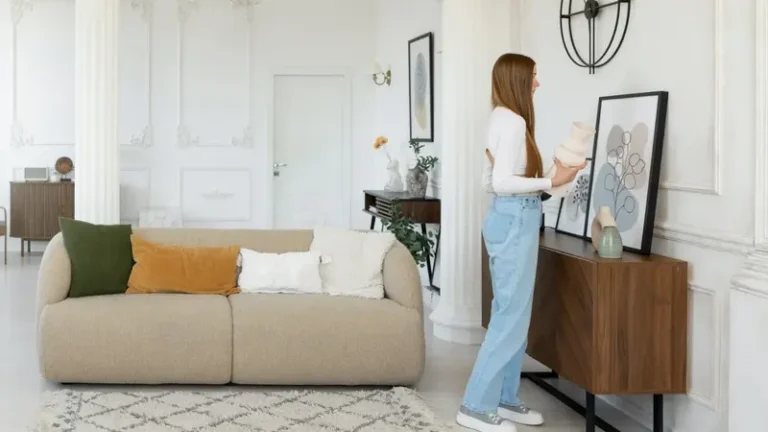
Cluttered and poorly lit rooms can truly aggravate any anxiety you may have. Open, organized, and naturally lit spaces will bring calmness and creativity to life. According to Mintpaldecor, things as simple as adjusting for more natural light, choosing calmer colors, and adding some greenery are all examples of things that can have a very big effect on your mental state. Balance is achieved with the home balance, and a welcoming atmosphere is born to create emotional stability.
Colors and Their Psychological Impact
This is one of the most evident things through which interior design affects mental color psychology. The blue tones generate calmness, green makes an individual relaxed yellow infuses positivity and energy. On the contrary, dark or horrible disarray colors create an atmosphere of stress and restlessness. Mintpaldecor highlights a palette specific to personal lifestyle while still contributing to harmony. When it comes to emotional upliftment, color alone is important; the entire ambience is expressed in every room.
Light and Mental Health

Lighting is another aspect of our being indoors that would affect how we feel indoors. Natural light regulates our circadian cycle as it has a superiority defeating goodness over sleep patterns and inhibitions. On the contrary, dark spaces would bring people to low energy and even seasonal depression. Mintpaldecor to maximize sunlight would have great windows, large mirrors, or light color used in ornamentation. In a day, warm to soft ambient lighting may provide coziness and a sense of safety.
Nature and Biophilic Design
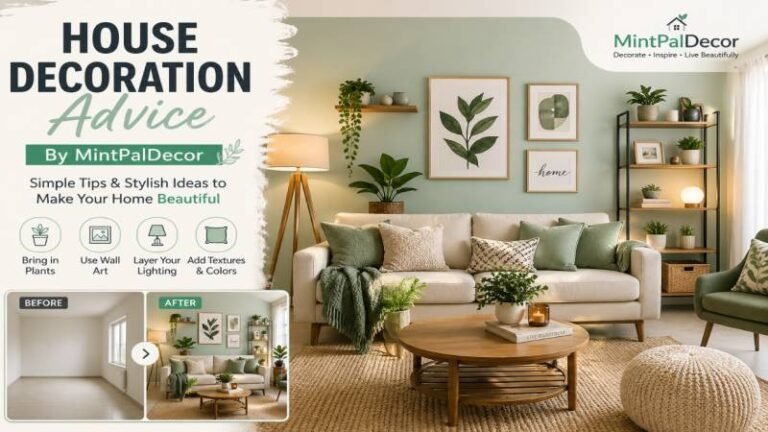
Scientific studies show that having some household plants affects well-being almost everywhere, besides their usefulness in stress management. This is the right reason biophilic design has become so popular and is everywhere characterized by plants, natural textures, and organic elements. Bring indoor plants, wooden details, or even some water into the place, and suddenly it just refreshes and livens up your home. Mintpaldecor notes that even an upheaval of a few potted plants can sharpen focus and create an atmosphere of calmness.
Decluttering and Mental Clarity
A good feeling for a person is a great living space bad thinking for a person is a complete stop, as the house becomes cluttered. One would remark that organizing and simplifying the same interiors of the house would reduce stress and aid concentration. Then those bright minimalism and open layouts with ingenious storage activate all senses in the mind. As concise by Mintpal Decor, frequent decluttering creates a space that feels spacious but actually is purposeful, and it helps a lot in keeping a person mentally rejuvenated.
Conclusion
While realizing how interior design affects mental health mintpaldecor affects mental health, it can be put into practice by designing homes that are not only beautiful but also produce happiness and well-being. Mintpal Decor really helps one to enjoy the designing choices that minimize stress and sharpen focus while working towards relaxation. Every little detail, such as color selection, lighting, green-natural application, and decluttering, points in some way towards how a person would feel. Mindful interior design investment should not be only an aesthetic decision but a step into a better place for healthier and more balanced living.