
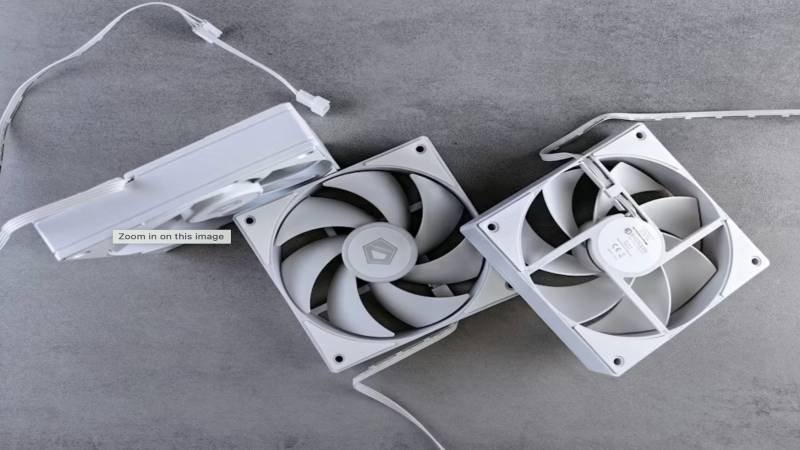
Sizing Exhaust Fans Made Easy with a CFM Calculator Tool
Proper ventilation is one of the most important yet overlooked parts of a comfortable and healthy indoor environment. Whether it is a residential bathroom, a busy commercial kitchen, a workshop, or a warehouse, exhaust fans play a critical role in removing heat, moisture, odors, smoke, and airborne contaminants. However, choosing the wrong fan size can create problems. A fan that is too small may fail to remove stale air effectively, while an oversized fan can waste energy, increase noise levels, and lead to unnecessary operating costs.
This is where a cfm calculator becomes extremely useful. Instead of relying on guesswork, homeowners, contractors, and facility managers can use a calculation-based approach to determine the right airflow capacity for their space. Understanding how airflow measurements work and how to match them with room requirements helps ensure better air quality, improved energy efficiency, and longer equipment life.
A properly sized exhaust fan contributes to healthier indoor air and creates a more comfortable environment for occupants. In areas with high humidity, such as bathrooms and laundry rooms, adequate airflow prevents mold growth and moisture damage. In kitchens and industrial settings, it helps remove smoke, grease particles, and excess heat before they accumulate.
Why CFM Matters in Exhaust Fan Sizing?
CFM stands for “cubic feet per minute.” It measures how much air an exhaust fan can move within one minute. The higher the CFM rating, the greater the airflow capacity of the fan.
Choosing the correct airflow rate is essential because different rooms have different ventilation demands. A small powder room may only need a modest amount of airflow, while a commercial kitchen or workshop requires significantly higher ventilation rates due to heat, fumes, or airborne particles.
Ventilation standards are often based on room size and air exchange requirements. Air changes per hour (ACH) indicate how many times the air inside a room should be replaced within one hour. Bathrooms generally require around 8 ACH, while kitchens and industrial spaces may need much more depending on the application.
An exhaust fan that delivers insufficient airflow can leave moisture trapped inside the room. Over time, this can lead to peeling paint, condensation, structural damage, and poor indoor air quality. On the other hand, an oversized system may create unnecessary drafts and increase electricity consumption without providing additional benefits.
Using a cfm calculator helps users identify the ideal balance between ventilation effectiveness and energy efficiency.
Calculating Room Volume Before Choosing a Fan
The first step in sizing an exhaust fan is determining the room’s total volume. This is done by multiplying the room’s length, width, and ceiling height.
For example:
- Length: 10 feet
- Width: 8 feet
- Height: 9 feet
Room volume = 10 × 8 × 9 = 720 cubic feet
Once the room volume is known, the airflow requirement can be estimated using recommended air changes per hour.
The basic formula is:
CFM = (Room Volume × ACH) ÷ 60
If a bathroom with a volume of 720 cubic feet requires 8 air changes per hour:
CFM = (720 × 8) ÷ 60
CFM = 96
In this case, an exhaust fan rated around 100 CFM would generally be appropriate.
This process becomes much simpler when using a cfm calculator, especially for larger spaces or rooms with unusual layouts. The tool eliminates manual errors and provides faster results for accurate fan sizing.
Ventilation Needs Differ by Room Type
Not all spaces require the same level of ventilation. Moisture levels, occupancy, equipment usage, and indoor pollutants all influence airflow needs.
Bathrooms are among the most common areas requiring exhaust fans. Steam from showers and baths quickly increases humidity levels. Without adequate airflow, moisture can linger and encourage mold growth. Small bathrooms may require 50 CFM, while larger bathrooms with multiple fixtures may need over 100 CFM.
Kitchens require stronger ventilation because cooking produces smoke, grease, odors, and heat. Range hoods often use higher airflow capacities depending on stove size and cooking style. Gas ranges typically need more ventilation than electric models.
Laundry rooms also benefit from proper exhaust systems. Dryers generate heat and humidity, and inadequate ventilation can create uncomfortable indoor conditions.
Industrial and commercial environments present additional challenges. Workshops, warehouses, and production facilities may contain fumes, dust, chemicals, or excessive heat. These spaces often require advanced airflow calculations to maintain worker safety and comply with building regulations.
Using a cfm calculator tailored to the room type allows users to estimate airflow more accurately while considering the unique ventilation demands of each environment.
The Connection Between Airflow and Energy Efficiency
Energy efficiency is becoming increasingly important in modern building design. Heating and cooling systems already account for a significant portion of energy consumption in homes and commercial buildings. Poorly sized exhaust fans can add unnecessary strain to HVAC systems.
When a fan is too powerful, it may remove conditioned air faster than necessary. This forces heating or cooling equipment to work harder to maintain indoor temperatures. Over time, this can increase utility costs and reduce system efficiency.
At the same time, undersized fans may run continuously without adequately ventilating the space. This prolonged operation can also waste energy and shorten equipment lifespan.
Accurate airflow calculations help create a balanced ventilation system. A correctly sized fan removes stale air efficiently without excessive energy use. Many modern exhaust fans also include energy-efficient motors, humidity sensors, and variable speed controls to improve performance further.
Professionals often rely on a cfm calculator to optimize airflow while minimizing operational costs. Proper sizing is one of the simplest ways to improve both comfort and energy efficiency.
Factors That Influence Exhaust Fan Performance
Several factors affect how effectively an exhaust fan performs after installation. Simply selecting the correct CFM rating is not always enough.
Duct length and design play a major role in airflow performance. Long duct runs, sharp bends, and undersized ducts create resistance that reduces airflow efficiency. In some cases, a fan may need a slightly higher CFM rating to compensate for duct losses.
Ceiling height also matters. Rooms with higher ceilings contain more air volume and therefore require greater ventilation capacity.
Climate conditions can influence ventilation requirements as well. Humid regions may require stronger airflow to manage moisture effectively, while industrial environments may need continuous ventilation to control heat buildup.
Noise level is another important consideration. Exhaust fan noise is commonly measured in sones. Lower sone ratings indicate quieter operation. Bathrooms and residential spaces generally benefit from quieter fans, while industrial applications may prioritize airflow over sound reduction.
Installation quality is equally important. Even a properly sized fan may perform poorly if installed incorrectly. Air leaks, blocked ducts, or improper vent placement can reduce efficiency significantly.
Using accurate calculations during the planning stage helps avoid many of these common issues.
Common Mistakes When Sizing Exhaust Fans
One of the most frequent mistakes is choosing a fan based solely on room size without considering airflow resistance or room function. Two rooms with the same square footage may have completely different ventilation needs.
Another common error is ignoring local building codes and ventilation standards. Many jurisdictions establish minimum ventilation requirements for bathrooms, kitchens, and commercial spaces. Failing to meet these standards can create compliance issues during inspections.
Some users also assume that higher CFM ratings are always better. In reality, oversized systems may create excessive noise, increase energy costs, and negatively affect indoor pressure balance.
Improper maintenance is another overlooked problem. Dust buildup, clogged filters, and blocked ducts reduce fan efficiency over time. Even a correctly sized fan requires regular maintenance to maintain peak performance.
A reliable cfm calculator helps reduce these mistakes by providing airflow recommendations based on measurable factors instead of assumptions.
The Role of Modern Technology in Ventilation Planning
Technology has made airflow calculations far more accessible than in the past. Engineers once relied heavily on manual calculations and ventilation charts. Today, digital tools simplify the process for both professionals and homeowners.
Online calculators can quickly estimate required airflow based on room dimensions and ventilation goals. Some advanced tools also account for occupancy levels, equipment heat loads, and duct resistance.
Smart ventilation systems are becoming more common as well. These systems automatically adjust fan speed based on humidity levels, air quality readings, or occupancy sensors. This allows buildings to maintain healthy air conditions while reducing unnecessary energy use.
Building automation systems in commercial facilities often integrate ventilation controls with heating and cooling systems to improve overall efficiency. Data-driven ventilation strategies are especially valuable in energy-conscious buildings and modern green construction projects.
As awareness of indoor air quality continues to grow, accurate airflow planning will remain an important part of building design and maintenance.
Choosing the Right Exhaust Fan for Long-Term Performance
Selecting the right exhaust fan involves more than simply matching a number on a specification sheet. Long-term reliability, efficiency, noise levels, and installation conditions all influence overall performance.
High-quality fans with durable motors and corrosion-resistant materials typically last longer and require less maintenance. Features such as automatic humidity sensors, programmable timers, and energy-efficient motors can improve convenience and operational efficiency.
It is also important to select fans certified by recognized testing organizations. Certification ensures that airflow and efficiency ratings have been independently verified.
For larger commercial or industrial projects, consulting ventilation professionals may be beneficial. Complex airflow systems often require more detailed calculations and compliance with specialized safety standards.
Whether for a home renovation or a commercial facility upgrade, using a properly designed ventilation strategy ensures better indoor comfort and healthier air quality for years to come.
Conclusion
Proper exhaust fan sizing is essential for maintaining healthy indoor air, controlling humidity, and improving energy efficiency. Selecting the wrong fan can lead to poor ventilation, increased operating costs, and long-term structural problems caused by moisture buildup or inadequate airflow.
A reliable cfm calculator simplifies the process by helping users determine the correct airflow requirements based on room size, ventilation goals, and environmental conditions. Instead of relying on estimates or generic recommendations, accurate calculations provide a practical and dependable way to choose the right exhaust fan for any application.
As buildings become more energy-conscious and indoor air quality receives greater attention, proper ventilation planning is more important than ever. Understanding airflow principles and using calculation tools effectively can help homeowners, contractors, and facility managers create safer, healthier, and more efficient indoor spaces. Click here to see more information.