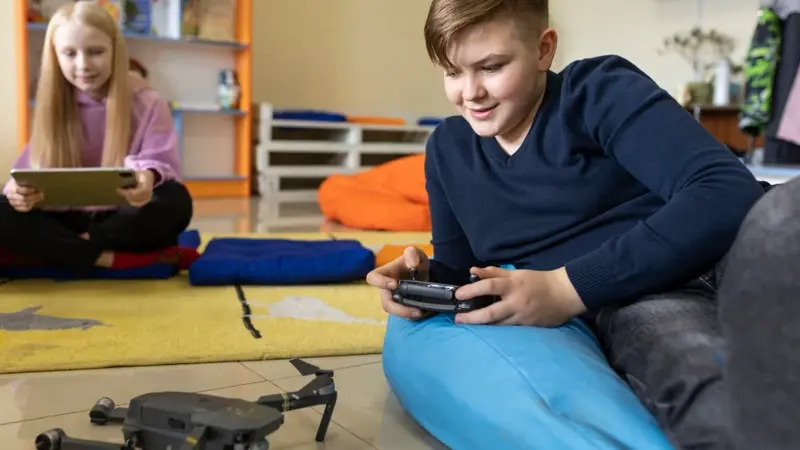
Unlocking the Power of Coding Through Play
Whether you’re teaching basic sequencing, logic, or problem-solving, making coding accessible early can open doors. The right tools help students move from simply pressing buttons to creating their own step-by-step algorithms. One standout option is the code and go mouse, a fun, screen-free way to introduce programming fundamentals in a tangible, hands-on format. But beyond choosing the right gadget, success comes from how you integrate it into classroom routines, scaffold lessons, and make connections to broader thinking skills.
Why Hands-On Coding Matters in Early Learning
Coding is not just about using computers. It’s about developing a mindset. Introducing coding through physical tools and hands-on tasks helps build foundational habits that transfer across disciplines. Here’s why hands-on coding matters in early education:
Supporting Computational Thinking
At its core, coding teaches critical skills like breaking problems into manageable parts, recognizing patterns, sequencing steps, and thinking algorithmically. Physical tools like the code and Go mouse allow students to experiment and see results directly in front of them. For example, students can program a path, test it, refine it, and immediately observe the outcome, making coding a fun and engaging process.
Bridging Abstract Ideas to Concrete Action
Young learners often struggle with abstract concepts when coding is only done on a screen. However, with a physical robot mouse, they can see the mouse move in real space, feel the sequence of commands, and directly link their instructions like “left,” “forward,” and “turn” to real-world outcomes. This concrete-to-abstract transition helps reinforce their learning and strengthens their understanding of coding.
Increasing Engagement and Motivation
The novelty of programming a robot to solve a maze, collect “cheese,” or complete a challenge captures students’ interest. This excitement motivates them to keep trying, testing, failing, and revising. These are key habits in scientific and engineering thinking, and the process of trial and error fosters persistence and problem-solving skills.
Preparing for Tomorrow’s Skills
Today, coding is about much more than just programming. It involves collaboration, design thinking, debugging, iteration, problem-solving, and resilience. When we equip students early with these habits, they are better prepared for STEM fields, digital literacy, and the future of innovation.
Setting Up Your Classroom for Success
Having the right physical tools is just one part of the equation. The classroom environment and teaching approach are just as important. Here’s how to set up your classroom for a smooth and engaging coding experience:
Create a Dedicated “Coding Lab” Zone
Designate a specific area or table for coding activities. This space should be equipped with the code and Go Mouse, grid mats, coding cards, and activity challenge cards. Organizing the materials in one area minimizes downtime and keeps students engaged.
Organize Your Materials for Ease
Keep everything organized and ready for use. Have kits with:
-
Robot mouse units and extra batteries or chargers
-
Maze grids, walls, and tunnels
-
Coding cards with arrow commands
-
Activity challenge cards and teacher guides
Using labeled storage containers ensures fast access to materials, so students can quickly get started with minimal disruption.
Introduce Tool Etiquette and Procedures
Lay out clear expectations for handling the robots. Explain how many students can work with each kit, how to log mistakes or adjustments, and how to clean up after the activity. Teaching these simple procedures helps develop responsibility and ensures smooth classroom management.
Starter Setup Checklist:
-
Ensure all robot mice are functional and charged
-
Print and laminate coding activity cards
-
Prepare maze grids and walls/tunnels in advance
-
Label storage containers based on activity or difficulty level
Model the Process and Scaffold Learning
Start by demonstrating how to use the robot mouse: show the maze, program a sequence, run it, and explain what happens if a command is incorrect. Then, gradually allow students to move from guided practice to independent work, helping them build confidence as they learn to create their own paths.
Integrating Coding Across the Curriculum
The code and go mouse isn’t just for computer science class. It’s a valuable tool that can connect coding with math, literacy, science, and even art. Here’s how coding can enhance learning across subjects:
Math Connections: Coordinates, Patterns, and Measurement
Using the grid, students can code the mouse to specific coordinates, measure path lengths, alter speed, and compare results. This hands-on experience brings geometry, measurement, and pattern recognition to life.
Literacy and Storytelling
Turn coding into a storytelling exercise. For example, students can write a short story about the mouse’s journey: “The mouse starts at A1, moves forward twice, turns right, and finds cheese.” This combines programming logic with sequencing, writing, and vocabulary development.
Science Exploration: Cause and Effect, Variables
Use the mouse to simulate experiments. What happens if you change the speed or frequency of turns? Students can track the outcomes, revise the code, and observe how the changes affect the mouse’s movement. This process reinforces the scientific method, hypothesis testing, and data-driven thinking.
Art and Design: Maze Creation and Aesthetics
Allow students to design their own mazes, incorporating artistic elements like colors, textures, and patterns. Once the maze is ready, they can code the mouse to navigate it. This links design thinking to STEM and encourages creativity.
Ideas to Cross-Connect Subjects:
-
Build a maze based on ecosystem journeys (science + coding)
-
Create a “coding treasure hunt” where clues include vocabulary words (literacy + coding)
-
Design a mural or grid map first, then code the robot to navigate it (art + logic)
Advancing Student Challenges and Creativity
As students grow more confident in coding, the tasks should evolve. The code and go mouse offers ample room for complexity and creativity as students develop their skills.
Sequence Complexity and Loops
Start with basic commands like moving forward and turning, then introduce more advanced elements like moving backward, speed adjustments, or adding conditional commands. As the challenges increase, encourage students to ask, “What if the mouse needs to avoid obstacles?” or “Can I shorten the path?”
Collaborative Design Sprints
Encourage teamwork by having students design mazes for one another. They can code their designs, test them, and refine them. Afterward, switch roles: designers become testers, testers become coders. This rotates roles, promotes collaboration, and reinforces the importance of peer feedback.
Data Collection and Reflection
Ask students to record their sequences, outcomes, number of attempts, and errors. Then, have them reflect: “How did we improve the sequence?” and “What variables changed?” This encourages computational thinking and a reflective mindset.
Extension Projects: From Physical to Digital
Once students are comfortable with the physical robot mouse, transition them to block-coding apps or simulation tools. Comparing the outcomes between the physical and virtual environments helps students explore the differences between the two and think critically about the pros and cons of each.
Measuring Impact and Scaling Implementation
As with any instructional tool, it’s important to monitor outcomes and adjust your approach based on student progress. Here are some strategies for assessing the impact of your coding lessons:
Student Engagement and Behavior Metrics
Track indicators like the number of student failures before success, time on task, collaboration dialogue, and the number of iterations. Comparing these metrics with traditional tasks can give you insight into how engaged students are during coding activities.
Learning Growth and Skill Transfer
Use pre- and post-assessments to measure progress. For example, students can write a sequence of steps for the robot to follow, predict its path, and then test the results. This will help measure improvements in accuracy, reduction in errors, and overall student confidence.
Teacher Reflection and Iteration
After each session, reflect on what worked well and what could be improved. Which students struggled? Which maze designs were too easy or too hard? Use this feedback to adjust your lessons, challenges, and support materials.
Scaling Across Classrooms
Start with one kit and one classroom, and then expand as needed. Share lesson plans, student work, and best practices with other teachers. You can also create “coding champions” in your class who can help mentor their peers and facilitate learning.
Tools for Scaling Success:
-
Standardized storage and kit inventory
-
A leaderboard for student maze challenges and fastest solutions
-
A digital log of student sequences and outcomes for tracking year-over-year growth
Conclusion
In conclusion, integrating a tool like the Code and Go mouse offers more than just novelty; it introduces students to the mindset of coding, encourages inquiry, supports connections to other subjects, and builds habits of iteration, collaboration, and logical thinking. Success lies not just in the gadget itself, but in how it’s deployed: preparing the environment, scaffolding lessons, connecting across disciplines, and measuring progress. With consistent use and thoughtful facilitation, your coding corner can become one of the most engaging and productive spaces in your classroom. See more.