House Decoration Advice MintPalDecor: A Complete Guide to a Beautiful Home
Introduction
A beautifully decorated home is more than a collection of attractive furniture and accessories. It is a comfortable, welcoming space that reflects your personality, supports your daily activities, and creates a relaxing atmosphere for your family.
Many homeowners want to improve their living spaces but feel uncertain about where to begin. Choosing the right colors, arranging furniture, selecting decorative accessories, and managing a decorating budget can seem overwhelming. However, thoughtful planning and simple design choices can make home decoration much easier.
House decoration advice MintPalDecor focuses on practical ideas that help homeowners create stylish, organized, and comfortable interiors. Whether you live in a small apartment or a spacious family house, understanding basic decorating principles can help you transform ordinary rooms into beautiful living spaces.
This guide explores essential home decorating techniques, including color selection, furniture placement, lighting, wall decoration, room-by-room styling, and affordable home improvement ideas.
Understanding House Decoration Advice MintPalDecor
House decoration advice MintPalDecor is centered on creating attractive living spaces through practical design choices, balanced colors, functional furniture, and thoughtful accessories.
A successful decorating project does not require expensive furniture or a complete renovation. Instead, it begins with understanding how a room is used and identifying the improvements that will make the biggest difference.
The main principles of effective home decoration include comfort, functionality, visual balance, and personal expression.
When these elements work together, a home can feel organized and welcoming without appearing overly decorated.
Why Home Decoration Matters
Home decoration influences how people experience their surroundings. A thoughtfully arranged room can feel more comfortable, easier to use, and visually appealing.
A well decorated home can also help create a stronger sense of personal identity because the colors, furniture, artwork, and accessories reflect the preferences of the people who live there.
Creating a Comfortable Environment
Comfort should always be a priority when decorating a home.
Choose furniture that supports everyday activities and arrange it in a way that allows people to move around easily.
Soft furnishings, appropriate lighting, and coordinated colors can help create a relaxing atmosphere.
Improving Organization
An organized home is easier to maintain and more enjoyable to use.
Storage baskets, shelves, cabinets, and multifunctional furniture can help keep everyday belongings in their proper places.
Reducing unnecessary clutter also allows important decorative elements to stand out.
Expressing Personal Style
Home decoration provides an opportunity to express your personality.
Artwork, photographs, textiles, decorative objects, and furniture choices can reflect your interests and preferences.
The goal is to create a space that feels personal rather than simply copying a design from a magazine.
Planning Your Home Decoration Project
Before buying furniture or accessories, take time to understand your space and establish a clear decorating plan.
Planning helps you avoid unnecessary purchases and makes it easier to create a consistent design throughout your home.
Identify Your Decorating Goals
Start by deciding what you want to improve.
You may want to make a living room feel more comfortable, brighten a dark bedroom, organize a small kitchen, or create a more welcoming entrance.
Write down your priorities and focus on the changes that will improve everyday living.
Measure Your Available Space
Measurements are essential when selecting furniture, rugs, curtains, and storage units.
Measure the length and width of each room and note the position of windows, doors, and other important features.
Make sure furniture will fit comfortably without blocking pathways or making the room feel crowded.
Establish a Decorating Budget
A realistic budget helps you prioritize important purchases.
You do not need to decorate every room at once. Start with essential improvements and gradually introduce additional decorative elements.
Reusing existing furniture, updating accessories, and making small changes can help reduce costs.
Choosing the Right Color Palette
Color is one of the most noticeable elements of interior decoration.
A coordinated color palette can make rooms feel balanced and help different design elements work together.
Neutral Colors for a Timeless Look
Neutral shades such as white, cream, beige, taupe, and light gray provide a versatile foundation for many decorating styles.
These colors work well on walls and larger furniture pieces because they can be combined with a wide range of accent colors.
Neutral interiors can also be updated easily by changing smaller accessories.
Earthy Colors for a Cozy Atmosphere
Earthy colors can create a warm and welcoming environment.
Shades such as olive green, terracotta, warm brown, and sandy beige work particularly well with natural materials like wood, linen, and woven fabrics.
These combinations can make living rooms and bedrooms feel comfortable and inviting.
Accent Colors for Visual Interest
Accent colors add personality without overwhelming a room.
Navy blue, mustard yellow, emerald green, and muted pink can be introduced through cushions, rugs, artwork, and decorative accessories.
Repeating an accent color in several places can help create a coordinated appearance.
Furniture Arrangement for Better Home Design
Furniture placement affects both the appearance and functionality of a room.
Even attractive furniture can make a space feel uncomfortable if it is arranged poorly.
Create a Clear Focal Point
A focal point gives the room a natural visual center.
It may be a fireplace, a large window, a television, an attractive piece of artwork, or a statement furniture item.
Arrange the main furniture around this feature while maintaining comfortable movement.
Maintain Comfortable Walking Space
Avoid placing furniture where it blocks doorways or creates narrow pathways.
Leave enough room for people to move comfortably between seating areas, tables, and entrances.
A practical layout often makes a room feel more spacious than adding more decorative items.
Balance Furniture Sizes
Furniture should match the scale of the room.
Large sofas can overwhelm small living rooms, while tiny furniture pieces may look out of place in spacious areas.
Choose pieces that provide the required comfort without dominating the available space.
Living Room Decoration Ideas
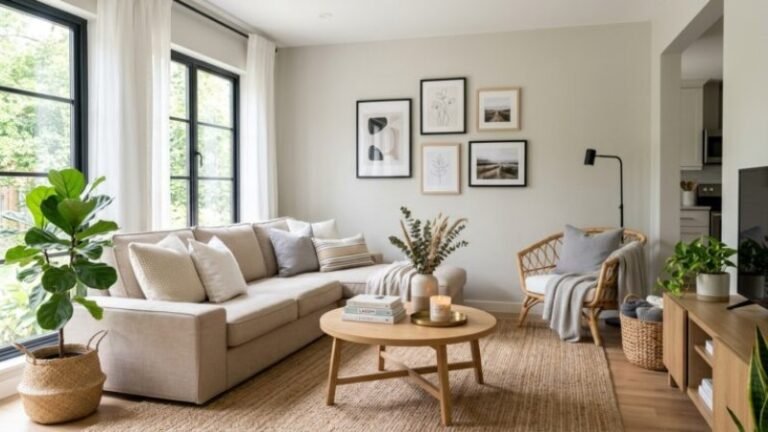
The living room is often one of the most frequently used spaces in a home.
It may serve as a place for relaxation, family conversations, entertainment, and welcoming guests.
Choose Comfortable Seating
A comfortable sofa and suitable chairs create the foundation of a welcoming living room.
Choose upholstery that complements the color palette and suits the household’s daily needs.
Arrange seating so people can talk comfortably without feeling separated.
Add Cushions and Soft Textiles
Cushions, throws, and blankets introduce texture and color.
Combining different fabrics can make a living room feel more inviting.
Choose a few coordinated patterns rather than mixing too many competing designs.
Use Rugs to Define the Seating Area
A rug can visually connect the sofa, chairs, and coffee table.
Select a size that fits the seating arrangement and complements the room’s colors.
A suitable rug can also introduce texture and help make the space feel more complete.
Decorate the Coffee Table
A coffee table can become a small decorative focal point.
Consider a tray, a short stack of books, a small vase, or a decorative bowl.
Keep enough open space available for everyday use.
Bedroom Decoration for Relaxation
A bedroom should provide a peaceful environment that supports rest and comfort.
The right colors, bedding, lighting, and furniture arrangement can help create a calm atmosphere.
Select Calming Colors
Soft neutrals, muted greens, gentle blues, and warm earth tones can work well in bedrooms.
Choose shades that feel comfortable and complement the furniture and bedding.
Improve Bedding and Textures
Bedding is one of the most prominent features of a bedroom.
Coordinated sheets, blankets, pillow covers, and bedspreads can make the room feel more organized and attractive.
Mixing different textures can add visual depth without requiring expensive accessories.
Keep the Bedroom Clutter Free
Avoid filling the bedroom with unnecessary furniture.
Bedside tables, wardrobes, and storage units should support everyday needs while leaving enough room to move comfortably.
A tidy bedroom often feels more peaceful and easier to maintain.
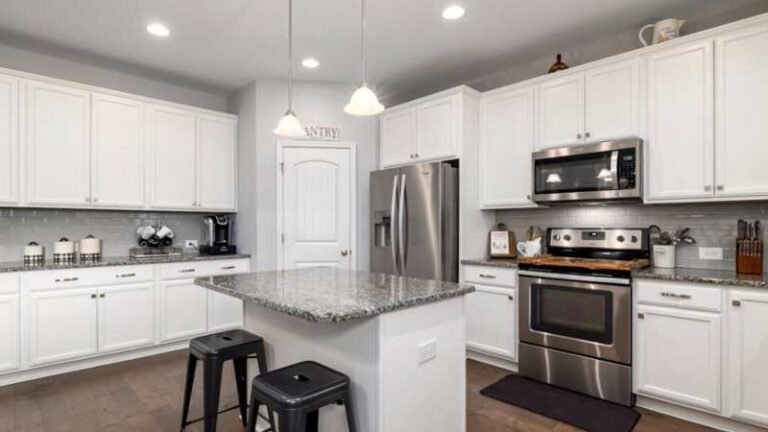
Kitchen Decoration and Organization
A kitchen should be both attractive and practical.
Because it is used for food preparation and everyday household activities, decoration should support cleanliness, storage, and accessibility.
Organize Kitchen Countertops
Keep frequently used items accessible while storing unnecessary objects in cabinets.
A clean countertop creates a more spacious appearance and makes food preparation easier.
Decorative containers and small trays can help organize everyday essentials.
Add Natural Materials
Wooden cutting boards, ceramic containers, and natural fiber accessories can introduce warmth into a kitchen.
Choose materials and colors that complement the cabinets and countertops.
Improve Kitchen Lighting
Good lighting is essential for preparing food and completing kitchen tasks.
Under cabinet lights can brighten work surfaces, while pendant lighting can add visual interest above an island or dining counter.
Introduce Small Decorative Details
Fresh herbs, attractive dish towels, simple artwork, and coordinated storage jars can add personality without creating clutter.
Choose accessories that are easy to clean and maintain.
Dining Room Decoration Ideas
A dining room should feel welcoming and comfortable for everyday meals and special occasions.
Thoughtful furniture placement and coordinated accessories can make the space more enjoyable.
Select a Suitable Dining Table
Choose a table that fits the room and accommodates the number of people who regularly use it.
Round tables can work well in certain compact spaces, while rectangular tables may suit longer rooms.
Make sure chairs can be pulled out comfortably.
Add a Simple Centerpiece
A vase of flowers, a decorative bowl, or a small arrangement of greenery can create an attractive centerpiece.
Keep the centerpiece low enough to allow people to communicate comfortably across the table.
Coordinate Table Accessories
Placemats, table runners, napkins, and chair cushions can introduce color and texture.
Choose accessories that complement the room’s existing palette.
Bathroom Decoration and Storage
Bathrooms can feel more attractive and organized with a few practical decorating choices.
The main goal is to create a clean environment that remains functional and easy to maintain.
Use Coordinated Accessories
Matching towels, soap dispensers, storage containers, and bath mats can create a consistent appearance.
Choose colors that complement the tiles and fixtures.
Add Smart Storage
Shelves, baskets, and cabinet organizers help keep toiletries and everyday essentials organized.
Use moisture resistant materials where appropriate.
Include Small Decorative Details
A suitable plant, a simple mirror, or attractive containers can add personality to a bathroom.
Choose items that can withstand the room’s humidity and are easy to clean.
Wall Decoration Ideas for Every Room
Walls provide an opportunity to introduce color, artwork, and visual interest.
Carefully selected wall decorations can make a room feel more personal and complete.
Create a Gallery Wall
A gallery wall can display family photographs, artwork, illustrations, or meaningful prints.
Use frames with complementary finishes to create a coordinated arrangement.
Before hanging the frames, plan the layout on the floor to experiment with spacing.
Use Mirrors to Reflect Light
Mirrors can reflect natural light and create a sense of openness.
A large mirror may work well in a living room or entryway, while smaller mirrors can add decorative interest to bedrooms and hallways.
Position mirrors carefully to reflect attractive views or light sources.
Install Floating Shelves
Floating shelves provide space for books, plants, photographs, and decorative objects.
They can also help keep floors and tables clear.
Avoid overcrowding shelves so that each item has enough visual space.
Lighting Ideas for a Beautiful Home
Lighting affects the appearance, comfort, and functionality of every room.
A balanced lighting plan combines general illumination, task lighting, and decorative accents.
Ambient Lighting
Ambient lighting provides the main illumination for a room.
Ceiling fixtures, recessed lights, and other general lighting options can create a comfortable level of brightness.
Task Lighting
Task lighting supports specific activities such as reading, cooking, studying, or working.
Desk lamps, bedside lamps, and under cabinet lights are useful examples.
Accent Lighting
Accent lighting highlights decorative features, artwork, or architectural details.
Floor lamps, wall lights, and carefully positioned table lamps can create a warm and inviting atmosphere.
Window Treatments and Curtains
Curtains can improve privacy, control incoming light, and contribute to the overall appearance of a room.
The right window treatment depends on the room’s purpose, lighting needs, and decorating style.
Choose Coordinated Curtain Colors
Neutral curtains can create a calm appearance, while patterned or colorful curtains can add personality.
Consider how the fabric looks under both natural and artificial light.
Select Appropriate Curtain Lengths
Long curtains can create a graceful appearance when fitted correctly.
Make sure they do not interfere with doors, heating equipment, or everyday movement.
Balance Privacy and Natural Light
Sheer curtains allow daylight to enter while providing some privacy.
Blackout curtains can be useful in bedrooms where reducing outside light is important.
Decorating With Indoor Plants
Indoor plants can introduce natural color, texture, and visual interest into a home.
They can also help create a connection between indoor spaces and nature.
Choose Plants for Your Environment
Different plants require different levels of sunlight, humidity, and care.
Choose varieties that suit the conditions in your home.
Use Plants as Decorative Accents
Place plants on shelves, windowsills, side tables, or suitable floor spaces.
Larger plants can fill empty corners, while smaller plants can decorate desks and shelves.
Select Attractive Planters
Ceramic, clay, metal, and woven planters can complement different interior styles.
Make sure containers provide appropriate drainage and support the plant’s needs.
House Decoration Advice MintPalDecor for Small Homes
Small homes and apartments can look stylish and comfortable when furniture and accessories are selected carefully.
The key is to make the most of the available space without sacrificing functionality.
Choose Multifunctional Furniture
Storage ottomans, beds with drawers, nesting tables, and folding desks can help maximize limited space.
These pieces provide useful functions while reducing clutter.
Use Vertical Storage
Wall shelves, tall bookcases, and hooks can provide additional storage without occupying much floor space.
Vertical storage can help keep everyday items organized.
Keep the Layout Simple
Avoid overcrowding small rooms with oversized furniture or too many accessories.
Choose a few essential pieces and leave enough open space for comfortable movement.
Budget Friendly House Decoration Advice MintPalDecor
Beautiful home decoration does not always require a large budget.
Many affordable changes can improve the appearance of a room without replacing major furniture pieces.
Rearrange Existing Furniture
Moving a sofa, chair, table, or bookshelf can give a room a fresh appearance.
Experiment with different arrangements while maintaining comfortable pathways.
Refresh Old Furniture
Repainting suitable furniture, replacing cabinet handles, or updating cushion covers can provide a simple makeover.
Repairing and refinishing existing pieces may also reduce unnecessary spending.
Add Affordable Accessories
Plants, cushions, rugs, framed prints, and decorative baskets can introduce color and texture.
Choose accessories that complement the existing room rather than purchasing items without a clear purpose.
Decorate One Room at a Time
Working on one room at a time makes it easier to manage costs and evaluate the results.
Complete essential improvements before moving on to another space.
Sustainable Home Decoration Ideas
Sustainable decorating focuses on making thoughtful choices that reduce waste and encourage longer lasting use of materials.
Reuse and Restore Furniture
Restoring older furniture can preserve useful materials and create unique decorative pieces.
A refinished table or repainted cabinet can become an attractive part of a room.
Choose Durable Materials
Furniture and accessories made from durable materials may remain useful for many years.
Consider quality, maintenance requirements, and suitability for everyday use before making a purchase.
Reduce Unnecessary Purchases
Instead of replacing every decorative item when trends change, update smaller accessories or rearrange existing pieces.
This approach can reduce waste and help maintain a consistent decorating style.
Common Home Decorating Mistakes to Avoid
Even attractive furniture and accessories can look out of place when they are not selected carefully.
Buying Furniture Without Measuring
Furniture that is too large can make a room feel crowded.
Measure the available space and consider walking paths before purchasing major pieces.
Using Too Many Colors
Combining too many competing colors can make a room feel visually busy.
Choose a coordinated palette and introduce variety through carefully selected accents.
Ignoring Lighting
Poor lighting can make an otherwise attractive room feel uncomfortable.
Consider natural light, general illumination, and task lighting when planning a space.
Overcrowding Decorative Surfaces
Filling every shelf, table, and countertop with accessories can create unnecessary clutter.
Leave some open space so that important decorative items stand out.
Following Every Decorating Trend
Trends can provide inspiration, but not every style suits every home.
Choose furniture and accessories according to your needs, personal preferences, and budget.
Step by Step Home Decoration Plan
If you are unsure where to begin, follow a simple process that makes decorating more manageable.
Step 1: Evaluate Your Home
Identify the rooms that need improvement and decide what changes would be most useful.
Step 2: Choose Your Style and Colors
Select a general decorating direction and a small group of complementary colors.
Step 3: Organize the Space
Remove unnecessary items and arrange belongings before introducing new decorations.
Step 4: Arrange Essential Furniture
Place the main furniture pieces first and make sure the layout supports everyday activities.
Step 5: Improve Lighting and Textiles
Add suitable lighting, curtains, rugs, and cushions to create comfort and visual balance.
Step 6: Introduce Personal Accessories
Finish with artwork, plants, photographs, books, and meaningful decorative objects.
Step 7: Review and Adjust
Use the room for a while before deciding whether additional changes are necessary.
Frequently Asked Questions
What is house decoration advice MintPalDecor?
House decoration advice MintPalDecor refers to practical home styling ideas that focus on comfort, functionality, balanced colors, furniture placement, and personal decoration.
How can I decorate my home on a small budget?
Rearrange existing furniture, improve lighting, repaint suitable surfaces, update textiles, and add a few affordable accessories.
Which colors make a home look larger?
Light shades such as white, cream, beige, and soft gray can help a room feel brighter and more open.
How can I decorate a small living room?
Choose appropriately sized furniture, keep pathways clear, use vertical storage, and avoid unnecessary decorative items.
What is the easiest way to improve a living room?
Rearranging furniture, updating cushion covers, adding suitable lighting, and introducing a rug or artwork can refresh a living room without major expenses.
How do I make different rooms look connected?
Repeat a few colors, materials, or decorative details throughout the home while allowing each room to maintain its own character.
How often should I update my home decoration?
There is no fixed schedule. Small seasonal changes can refresh a room, while major furniture updates can be made whenever your needs or preferences change.
Conclusion
Creating a beautiful home begins with thoughtful planning, practical design choices, and attention to comfort. House decoration advice MintPalDecor encourages homeowners to focus on balanced colors, functional furniture, appropriate lighting, organized spaces, and meaningful decorative details.
Whether you are decorating a living room, refreshing a bedroom, organizing a kitchen, or improving a small apartment, simple changes can make a noticeable difference.
By choosing a consistent style, setting a realistic budget, and decorating gradually, you can create a welcoming home that reflects your personality and supports your everyday lifestyle. A well decorated home is not necessarily the most expensive one. It is the space where comfort, functionality, and personal style come together naturally. Click here see more.