Tree Canopy Changes Around Your Home: Hidden Costs
A tree that looked perfectly placed ten years ago can quietly become a maintenance problem today. Trees grow slowly, so most homeowners never notice the shift until something breaks, clogs, or fades. The tree canopy changes around your home happen inch by inch, season after season, and those small changes add up. By the time you spot the damage, the repair bill is already higher than it needed to be. The good news is that you can stay ahead of it. When you understand how canopy growth affects your property, you can act early and protect both your home and your budget.
How Canopy Growth Affects Roofs and Gutters
Your roof takes the first hit from overhead branches. As limbs spread wider, they drop more leaves, twigs, and seed pods directly onto shingles and into gutters.
Here is what we see most often:
- Branches scrape shingles during wind, wearing down the protective surface.
- Heavy shade keeps the roof damp, which encourages moss and algae.
- Gutters fill faster, overflow, and push water toward your foundation.
Roof protection starts with clearance. We recommend keeping branches at least 10 feet from the roofline. Schedule tree pruning before storm season, and clean gutters twice a year. These two steps prevent most water damage that growing canopies cause to roofing systems.
The Slow Damage to Driveways and Walkways
Tree roots follow the same pattern as the canopy above them: they spread outward over time. As they expand, they push against hard surfaces from below.
Driveways and walkways crack when roots grow underneath them. The damage looks minor at first, then widens into trip hazards and uneven slabs. Repaving a driveway costs far more than early root management.
You can reduce the risk with a few simple checks:
- Watch for hairline cracks near large trees and note if they grow.
- Look for raised or tilted pavers along walkways.
- Ask an arborist about root barriers when planting near hard surfaces.
Catching these signs early lets you address roots before they force a full replacement.
Shrinking Outdoor Living Spaces
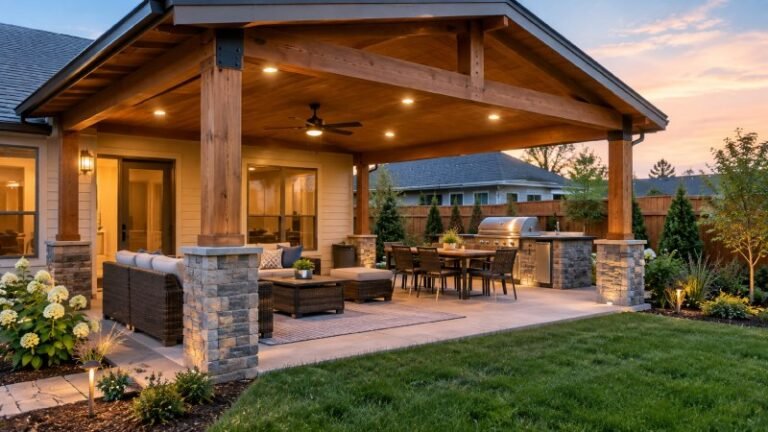
Patios and decks are built for sunlight, fresh air, and open views. A spreading canopy slowly changes all three.
Too much shade keeps outdoor living spaces cool and damp, which leads to slippery surfaces and faster wood decay on decks. Falling debris means more sweeping, and low branches block the open feeling you wanted when you built the space.
Regular tree maintenance keeps these areas usable. Thinning the canopy lets in filtered light, improves airflow, and reduces moisture buildup on patios and deck boards. A balanced canopy gives you shade without giving up the space entirely.
Lawn Health and Sunlight Exposure
Grass needs sunlight, and a growing canopy steadily takes it away. This is one of the clearest examples of tree shade impact that homeowners overlook.
As branches fill in overhead, the lawn below thins out. Bare patches appear, moss moves in, and rain stays trapped in shaded soil. Many homeowners blame the grass seed when the real cause is reduced light.
To protect lawn health under expanding trees, focus on these steps:
- Thin the upper canopy so dappled light reaches the ground.
- Choose shade-tolerant grass varieties for areas near large trees.
- Improve drainage in low, shaded spots to prevent standing water.
Balancing tree canopy growth with sunlight keeps your grass healthier with less reseeding and patching.
Landscaping Maintenance and Curb Appeal
A mature canopy changes the entire look of your yard. Plants that once thrived in full sun may now struggle in shade, and your original landscape design slowly falls out of balance.
Curb appeal depends on that balance. Overgrown trees can hide architectural details, darken entryways, and crowd flower beds. The first impression of your home softens when the canopy is left unmanaged.
Smart landscaping maintenance keeps everything working together:
- Replace sun-loving plants with shade-friendly options as light shifts.
- Prune trees to frame your home, not cover it.
- Keep sightlines open from the street to your front door.
When you adjust your landscape design alongside canopy growth, your property stays inviting year after year.
Property Value and Your Home Maintenance Budget
Trees add value to a property, but only when they are healthy and well kept. Neglected canopies do the opposite, and the costs show up across your entire home maintenance budget.
Small issues compound. Clogged gutters lead to fascia rot. Cracked driveways lead to full repaving. Damp roofs lead to early shingle replacement. Each problem traces back to canopy growth that went unmanaged.
Here is the practical view of property value:
- Buyers notice cracked walkways and shaded, patchy lawns during showings.
- Deferred tree maintenance signals deferred home maintenance overall.
- Well-pruned trees and open curb appeal raise perceived value.
We recommend setting aside a yearly amount for tree care the same way you budget for roof and gutter upkeep. Planned maintenance always costs less than emergency repair.
Planning for Seasonal Decorating and Holiday Lighting
Few homeowners connect tree growth to holiday decorating, but the link is direct. A canopy that fit your lighting plan five years ago may now block the same display.
Growing branches change where light reaches and how power cords run. Taller trees move your display out of easy reach, and thicker limbs create shadows that hide your design. Outdoor lighting that once highlighted your roofline can disappear behind new growth.
Plan around your trees before the season starts:
- Map your light placement against current branch height and spread.
- Keep cords and clips away from limbs that move in wind.
- Trim strategically so holiday lighting stays visible from the street.
For complex displays on mature trees and tall rooflines, many homeowners work with a service like a Hinsdale Christmas Lights Installation Company that accounts for canopy height and safe placement. Folding this into your seasonal home maintenance routine keeps your decorating safe and your design sharp.
Conclusion
Trees grow quietly, and that is exactly why their effects are so easy to miss. The tree canopy changes around your home touch your roof, gutters, driveways, patios, lawn, and even your holiday lighting. Left alone, small shifts turn into expensive repairs and a tired-looking property. Watched closely, the same trees stay an asset that protects your curb appeal and property value. Walk your yard a few times each year, note what the canopy is doing, and schedule pruning before problems start. When you manage growth early and plan your budget for it, you keep your home looking its best and avoid the hidden costs entirely. Click here to see more.