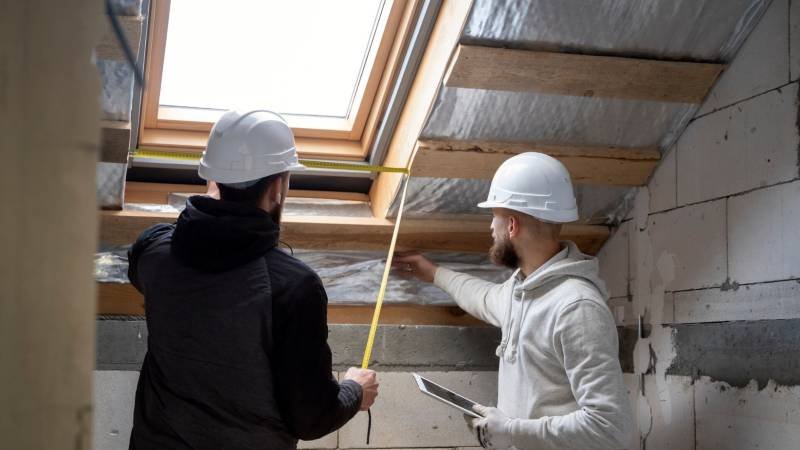
Why Roof Safety Deserves More Attention During Property Renovations
Property renovations often focus on the changes people can see, from fresh interiors and modern kitchens to improved insulation and updated exterior finishes. However, some of the most important considerations are less noticeable. Roof safety is one area that can easily be overlooked, particularly when homeowners are concentrating on the appearance and cost of their renovation.
Whether a project involves replacing roof tiles, installing solar panels, or carrying out structural repairs, working at height introduces risks that require careful planning. Taking roof safety seriously helps protect contractors, reduces unnecessary disruption, and supports a more organized renovation process.
Understanding the Risks of Working at Height
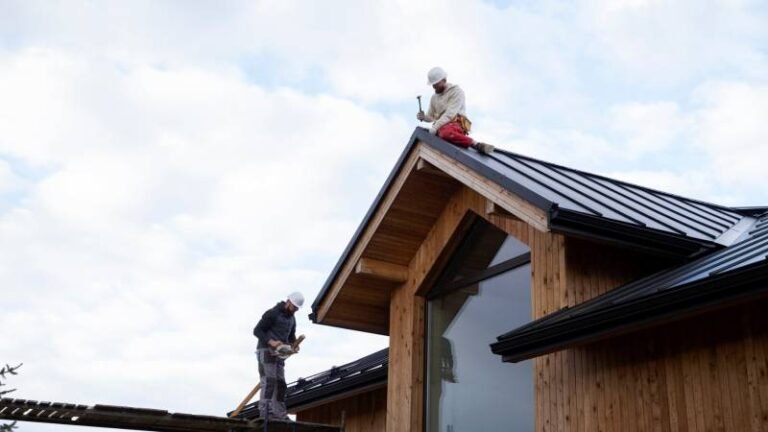
Roofing work presents challenges that aren’t always obvious from ground level. Sloping surfaces, fragile materials, changing weather conditions, and unprotected edges can all increase the likelihood of accidents.
Even relatively straightforward maintenance tasks can become dangerous without appropriate precautions. Carrying tools, moving materials, and navigating uneven surfaces can make it difficult for workers to maintain their balance.
Before work begins, contractors should assess the roof’s condition, identify potential hazards, and determine which protective measures are necessary.
Homeowners should also avoid assuming that a short job requires less precautions. The risks associated with working at height are still significant regardless of how long the task takes.
Choosing Appropriate Protective Measures
Different roofing projects require different safety arrangements. Scaffolding, access platforms, and suitable fall prevention equipment may be necessary depending on the building’s design and the work being undertaken.
For projects involving exposed roof edges, roofing edge protection can provide an important physical barrier to help reduce the risk of falls.
The appropriate system will depend on factors such as roof structure, access requirements, and whether protection is needed temporarily or permanently.
A professional assessment is essential, as protective equipment must suit the particular building and be installed correctly.
Considering Future Roof Maintenance
Renovations offer an opportunity to think beyond immediate improvements. A roof may require future inspections, gutter cleaning, repairs, or maintenance of equipment such as solar panels and ventilation systems.
Planning safe access during renovation work can make these responsibilities easier to manage later.
For example, homeowners might think about how contractors will reach roof-mounted equipment and whether existing access arrangements are suitable.
Addressing these questions early can prevent future maintenance from becoming unnecessarily complicated or expensive.
Working With Responsible Contractors
Choosing experienced contractors is one of the most important decisions homeowners can make during a renovation.
A reputable roofing professional should be able to explain the safety measures required, discuss potential hazards and demonstrate an understanding of relevant working-at-height regulations.
In the UK, the Work at Height Regulations 2005 establish requirements for managing risks associated with work at height.
Homeowners should feel comfortable asking contractors how access will be managed and what precautions will be taken before work starts.
Clear communication can also help prevent misunderstandings about responsibilities, costs, and project timelines.
Making Safety Part of the Renovation Plan
Roof safety shouldn’t be treated as an afterthought or an optional expense. It deserves consideration alongside materials, design choices, and the overall renovation budget.
Taking appropriate precautions can help protect everyone involved while reducing the likelihood of avoidable delays.
A successful renovation isn’t simply one that leaves a property looking better. It’s also one that has been planned responsibly, with proper attention given to the people carrying out the work.
By considering roof safety from the beginning, homeowners can make informed decisions that support both the immediate project and the property’s long-term maintenance needs. Click here see more.