What to Upgrade First When Remodeling an Older House
Buying an older home in Ohio comes with a certain kind of charm that newer builds rarely match. The high ceilings, the solid wood doors, the way the floors creak in places that feel almost familiar after a while. But charm alone doesn’t keep a house running well, and most older homes carry a list of issues that need attention sooner rather than later. Knowing where to start can save money, prevent bigger headaches down the road, and make the place feel livable while the rest of the work continues at its own pace.
Remodeling an older house is rarely about doing everything at once. It’s about picking the right starting point, then letting each upgrade build into the next. Some choices matter more than others, and a few of them quietly shape how comfortable the home feels for years to come.
Start with the Windows
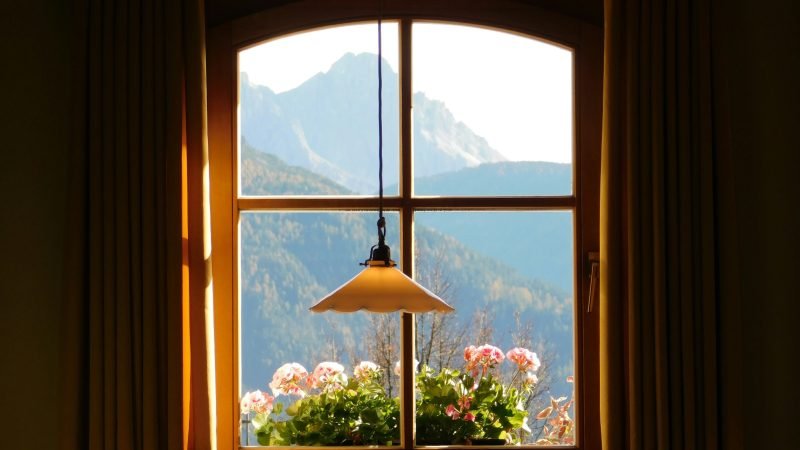
Older homes tend to leak air in ways that aren’t always obvious. You might feel a draft near the couch on a cold evening, or notice that one room never quite warms up, no matter how high the thermostat goes. A lot of that has to do with the original windows, which were built to a different standard and have usually lost most of their seal by now. Replacing them early in a remodel makes sense because so much else depends on getting the envelope of the house right first. Frame material, glass thickness, and how well the unit handles temperature swings all play into how the house performs once the work is done.
When searching for the best replacement windows in Ohio, make sure you keep in mind the size of the openings you’re working with, since older homes rarely have standard measurements and custom sizing often matters more than people expect. Once the windows are sorted, heating and cooling costs tend to settle, and the house just feels quieter and steadier overall.
Take a Hard Look at the Roof
Once the windows are taken care of, the roof should be next on the list. A roof that’s near the end of its life can undo every other upgrade you make, since water damage spreads in ways that aren’t always visible until it’s too late. Stains on the ceiling, missing shingles, or sagging sections along the edges all point to something that needs more than a quick patch. Checking the attic for damp insulation or daylight coming through the boards is another good way to gauge how urgent the work really is.
A new roof also gives you a chance to upgrade the underlying materials, which most older homes never had in the first place. Better underlayment, improved ventilation, and proper flashing around chimneys and vents can extend the life of the structure by decades. It’s not the most exciting part of a remodel, but it protects everything underneath it.
Sort Out the Electrical System
Electrical work in older houses is one of those things people put off until something goes wrong. Flickering lights, outlets that feel warm, or breakers that trip for no clear reason are all worth paying attention to. A lot of homes built decades ago were never wired for the load that modern living puts on them, and the panels often need to be updated before any major appliance or addition can be added safely.
Bringing the system up to current code also matters for insurance and resale, but the bigger reason is safety. Old wiring can sit hidden behind walls for years without causing trouble, and then fail at the worst possible moment. Having a licensed electrician walk through the house before any cosmetic work begins is one of the smartest moves you can make.
Check the Plumbing Before the Walls Go Up
Plumbing is another system that tends to be out of sight and out of mind until it fails. Older pipes, especially the galvanized kind, narrow on the inside as they age and can affect water pressure throughout the house. Some homes still have lead solder or outdated supply lines that should be replaced for health reasons alone. If you’re planning to open up walls for any other reason, that’s the moment to deal with the plumbing too, since you’ll never have easier access than when the drywall is already down.
Replacing old shutoff valves, updating the main line, and adding modern fixtures can also prevent the kind of slow leaks that quietly damage subfloors and framing over the years. It’s not glamorous work, but it pays off every single day the house is in use.
Don’t Skip the Insulation
A lot of older homes were built with very little insulation or with materials that have settled and lost their effectiveness. Adding insulation in the attic, walls, and basement can change how the house feels almost immediately. Rooms hold their temperature better, the furnace runs less often, and the overall sense of comfort goes up in ways that are hard to describe until you live through it.
While the walls are open for electrical or plumbing work, that’s the right time to deal with insulation. Trying to add it later means cutting into finished surfaces, which costs more and creates more mess than it’s worth.
Refinish the Floors When Everything Else Is Done
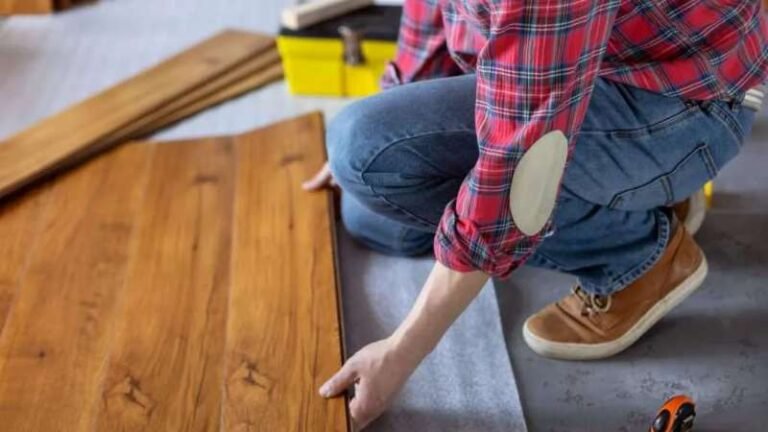
Flooring is usually the last big item, and there’s a good reason for that. Doing the floors before the heavy work is finished almost guarantees they’ll get scratched, stained, or damaged in some way. Older homes often have hardwood underneath layers of carpet or vinyl, and refinishing what’s already there can bring back a warmth that new flooring rarely matches.
If the original boards are too damaged, homeowners can replace them with durable, simple materials that preserve the home’s character without forcing a specific style. Regardless of the approach, homeowners should save the flooring work for last to protect previous renovations and give the remodel a clean, polished finish.
Taking on an older home is a long project, and the order of the work matters as much as the work itself. Starting with the systems that affect comfort, safety, and structure means everything that follows has a stronger foundation to build on.