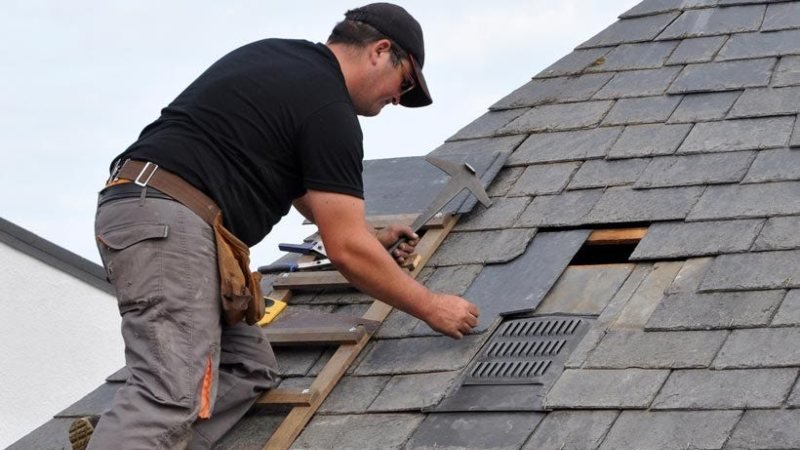
Emergency Roof Repair Guide: What to Do When Your Roof Is Damaged
Roof damage can happen without warning. Severe storms, fallen tree limbs, high winds, hail, or heavy snow can quickly turn a secure roof into an emergency. Knowing what to do immediately after discovering roof damage can help minimize additional problems and protect your home until permanent repairs can be completed.
Taking the right steps after an emergency can reduce water damage, improve safety, and make the repair process much smoother.
Stay Safe First
Your safety should always be the top priority.
If you believe your roof has been seriously damaged:
- Stay away from areas where the ceiling is sagging.
- Avoid climbing onto the roof.
- Watch for fallen power lines.
- Keep children and pets away from damaged areas.
- Contact emergency services if the structure appears unsafe.
Never attempt to inspect a roof during severe weather or while conditions remain dangerous.
Assess the Damage from the Ground
Once the storm has passed, inspect your property from a safe location.
Look for:
- Missing shingles
- Fallen tree branches
- Damaged gutters
- Bent flashing
- Roofing debris
- Visible holes
- Sagging roof sections
Photograph everything you can safely see. These photos may be helpful if you need to file an insurance claim.
Protect the Inside of Your Home
If water is entering your home, take steps to reduce interior damage.
You can:
- Place buckets under active leaks.
- Move furniture away from water.
- Remove electronics from affected areas.
- Protect flooring with towels or plastic.
- Relieve water-filled ceiling bubbles carefully if advised by a professional.
Quick action may reduce additional repair costs.
Temporary Roof Protection
Emergency temporary repairs are often necessary until permanent work can be scheduled.
Temporary protection may include:
- Emergency roof tarping
- Covering exposed areas
- Removing loose debris
- Securing damaged flashing
- Protecting exposed roof decking
Temporary repairs help prevent additional water intrusion while permanent repairs are planned.
Contact Your Insurance Company
If storm damage caused the problem, notify your insurance company as soon as possible.
Provide:
- Photos of the damage
- The date of the storm
- A description of what happened
- Any emergency repairs already completed
Keeping organized records can help simplify the claims process.
Schedule a Professional Roof Inspection
Not all roof damage is immediately visible.
A professional inspection can identify:
- Lifted shingles
- Hidden leaks
- Structural damage
- Damaged flashing
- Broken vent seals
- Compromised underlayment
A detailed inspection ensures that all storm-related damage is properly documented.
Common Causes of Emergency Roof Repairs
Roof emergencies often result from:
- High winds
- Hailstorms
- Fallen trees
- Heavy snow loads
- Ice dams
- Lightning strikes
- Aging roofing materials
Regular maintenance helps reduce the likelihood of unexpected emergencies.
Prevent Future Roofing Emergencies
Although no roof can prevent every storm-related problem, homeowners can reduce their risk by:
- Scheduling annual inspections
- Cleaning gutters regularly
- Trimming overhanging branches
- Repairing loose shingles
- Maintaining attic ventilation
- Addressing minor problems before they worsen
Preventive maintenance remains the best defense against major roofing failures.
When Emergency Repairs Aren’t Enough
Sometimes emergency repairs can temporarily stop a leak, but they cannot solve widespread storm damage or an aging roofing system.
Signs that repairs may no longer be enough include:
- Multiple active leaks
- Extensive wind damage
- Large sections of missing shingles
- Structural roof damage
- Repeated emergency service calls
If your roof has suffered significant damage, explore the available options to understand whether replacing the roof will provide a safer and more cost-effective long-term solution.
Installing a new roofing system can restore your home’s protection and reduce the likelihood of future emergency repairs.
Frequently Asked Questions
What should I do if my roof starts leaking during a storm?
Stay away from the affected area if necessary, place containers under leaks, protect valuable belongings, and contact a roofing professional once conditions are safe.
Should I climb onto my roof after storm damage?
No. Wet, damaged, or unstable roofs are extremely dangerous. Always inspect from the ground and leave rooftop inspections to trained professionals.
Will homeowners insurance cover emergency roof repairs?
Coverage depends on your insurance policy and the cause of the damage. Storm-related damage is often covered, but policy details vary.
How quickly should emergency roof damage be repaired?
As soon as possible. Prompt temporary protection followed by permanent repairs helps prevent additional structural and interior damage.
Final Thoughts
Roof emergencies can happen at any time, but knowing how to respond can make a significant difference. Prioritizing safety, documenting damage, protecting your home’s interior, and arranging a professional inspection are all important first steps. By acting quickly and addressing damage before it worsens, homeowners can reduce repair costs and restore the security of their homes as efficiently as possible.