4 Design Elements That Instantly Elevate an Outdoor Living Area
Outdoor living spaces have become some of the most cherished features of modern homes. Patios, decks, and gardens are no longer seen as occasional-use areas. They now serve as natural extensions of indoor life where families gather and make everyday memories.
Yahoo reports that 85% of households have an outdoor area such as a porch, patio, balcony, or deck. Yet 77% of these homeowners fail to make full use of that space. Smarter design choices can help unlock the true potential of these valuable areas.
A well-designed outdoor space boosts comfort, enhances functionality, and deepens your connection with nature. In many cases, a few well-chosen elements can completely refresh the look and feel of the area.
Here are some design elements that can instantly elevate your outdoor living space.
#1 Comfortable and Stylish Seating Arrangements
Furniture forms the foundation of any well-designed outdoor living space. Even the most beautiful backyard falls short without comfortable seating to draw people outside.
According to Grand View Research, the global outdoor furniture market reached $53.3 billion in 2025. It is projected to climb to $56.1 billion in 2026. Experts forecast the market will reach $86.6 billion by 2033. That leaves plenty of options when searching for your ideal outdoor seating setup.
The right furniture sets a welcoming tone and defines how a space gets used. Whether you favour casual lounging or structured entertaining, seating arrangements shape the entire outdoor experience.
Choosing outdoor furniture means finding the right balance between aesthetics and comfort. Plush seating, quality cushions, and weather-resistant materials can elevate any outdoor gathering significantly. Positioning chairs and sofas to face each other naturally fosters conversation and a sense of togetherness.
#2 Thoughtfully Arranged Greenery for Visual Balance
Plants are among the most effective ways to enhance an outdoor living area. They introduce color, texture, and natural beauty while helping soften hard surfaces.
However, simply adding plants is not enough. The arrangement of greenery plays a crucial role in creating a balanced and visually appealing environment. A carefully planned layout helps guide the eye and creates a stronger sense of harmony throughout the space.
Forbes reports that homeowners choosing natural grass lawns dropped 9% to 63% since 2024. However, plants remain highly popular for outdoor spaces.
Research shows that 74% of people want plants, shrubs, or trees, with 40% wanting planters. Hence, many homeowners now use decorative containers to achieve a more organized and sophisticated appearance. Attractive planter design options help integrate greenery into the overall aesthetic while maintaining consistency throughout the space.
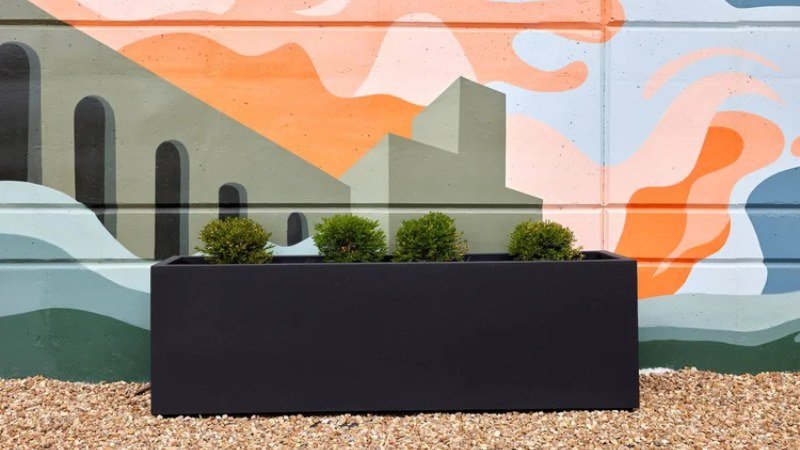
Custom-made planters have become increasingly popular because they can be tailored to specific dimensions and design preferences. As PolyMade notes, planters break up dull concrete walls. Many homeowners use them to test different plant layouts. Residential planters are often used to frame seating areas, define pathways, and highlight architectural features.
This approach makes outdoor spaces feel more polished, intentional, and professionally designed without sacrificing personality or charm.
#3 Defined Spaces Through Functional Layouts
One characteristic shared by many well-designed outdoor areas is a clear sense of organization. Rather than treating the entire yard as one open space, successful designs create separate zones for different activities.
According to design experts at The Spruce, zones give your outdoor space a more upscale look. In fact, if you want to make your home’s outdoor area look like that of a luxury hotel, zoning is the way to go.
This strategy helps maximize functionality while making the area feel larger and more purposeful. Even smaller outdoor spaces can benefit from thoughtful zoning.
A dining area, relaxation zone, and garden section can coexist comfortably when each space has a defined purpose. Furniture placement, planters, outdoor rugs, and decorative screens can all help establish boundaries without creating visual clutter.
These subtle divisions make it easier for people to navigate the space and understand how each area should be used. As a result, the outdoor environment feels more structured, comfortable, and enjoyable for everyday living as well as special occasions.
#4 Natural Textures and High Quality Materials
The materials used throughout an outdoor living area have a significant impact on its overall appearance. Natural textures add warmth, character, and visual depth while helping the space feel connected to its surroundings. Materials such as wood, stone, brick, and woven fibers create a timeless look that complements a wide variety of architectural styles.
Investing in high-quality materials also contributes to long-term durability and performance. Durable surfaces retain their appearance longer and often require less maintenance over time.
When different textures are combined thoughtfully, they create layers of visual interest that make the space feel rich and inviting. This combination of beauty and practicality helps elevate the outdoor area while ensuring it remains enjoyable for years to come.
FAQs
Why do people use ambient lighting in outdoor living spaces?
People use ambient lighting in outdoor living spaces because it creates a welcoming atmosphere and improves visibility. Soft lighting highlights landscaping features, enhances safety, and makes patios or gardens more enjoyable after sunset. It also helps define gathering areas and contributes to a comfortable outdoor experience.
What is the container-in-ground method, and how does it protect plants?
The container-in-ground method involves placing a planted container into a hole so the pot sits below ground level. This approach helps protect roots from temperature fluctuations and makes seasonal plant replacement easier when needed. It can also improve plant stability while reducing stress caused by extreme weather conditions.
What is the difference between a cache pot and a direct planter?
A cache pot is a decorative outer container that holds a plant’s existing pot without direct planting. A direct planter is designed to hold soil and plants directly, often including drainage features. The main difference is that cache pots conceal nursery containers, while direct planters function as the primary growing vessel.
Statistics on Residential Outdoor Greenery in the US
| Percentage of homeowners choosing natural grass lawns (2024 reference) | 63% |
| Drop in homeowners choosing natural grass lawns since 2024 | 9% |
| People who want plants, shrubs, or trees in outdoor spaces | 74% |
| Homeowners who want planters | 40% |
Building a stylish and welcoming outdoor space does not demand an extensive renovation. Often, the greatest impact comes from a handful of carefully chosen design elements.
When combined with intention, these elements produce an outdoor setting that supports relaxation, entertainment, and daily enjoyment. The space evolves into somewhere people genuinely look forward to spending time. Thoughtful attention to core design principles can turn any outdoor area into a beautiful retreat.