How to Modify Your Home to Support a Disabled Loved One
The last thing you want is for a loved one to feel uncomfortable or unsupported in your home, especially if they have a disability. If a family member now requires a wheelchair or is living with a debilitating health condition, you will likely need to make a few adjustments to your property to help them move freely and safely.
If you are unsure where to get started, read the following advice on how to modify your home to support a disabled loved one.
Modify Your Entrances
Your home’s entrances should be your first consideration, as they ensure your loved one can easily enter and exit the property. For instance, if a family member uses a wheelchair or mobility aids, install a zero-step entry ramp with a non-slip, gentle slope. Depending on your interior, you may need to widen your doorways to at least 32 inches to accommodate a wheelchair or walker.
Install a Wheelchair or Stair Lift
If your loved one cannot walk up and down stairs, wheelchair lifts are the best choice to help them move throughout the home easily and independently. This means your family member will not need to live downstairs or rely on others to help them reach an upper floor. However, if your loved one regularly uses a mobility aid, such as a cane, a stair lift might be a more suitable option for their needs.
Alter Your Kitchen
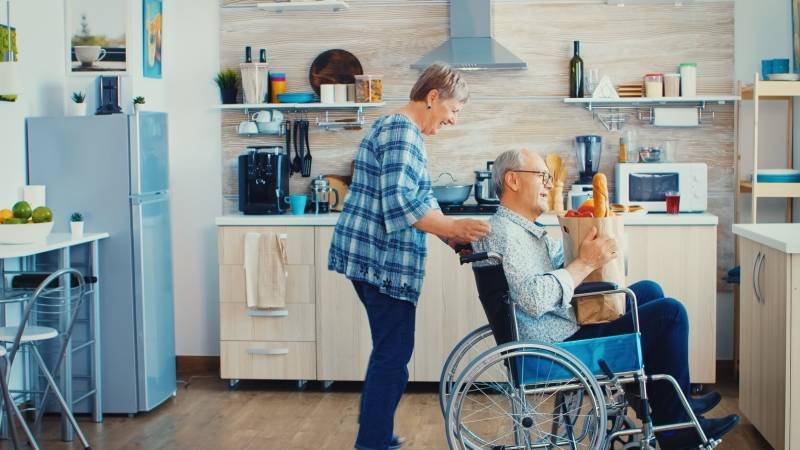
Every disabled adult should feel comfortable in the kitchen. For this reason, you might need to make a few changes to support their routine and protect their dignity and independence. For example, consider lowering the countertop and sink to make cooking and cleaning feel easier. You can also improve their quality of life by installing a lever faucet and pull-out drawers and shelving.
Adapt the Bathroom
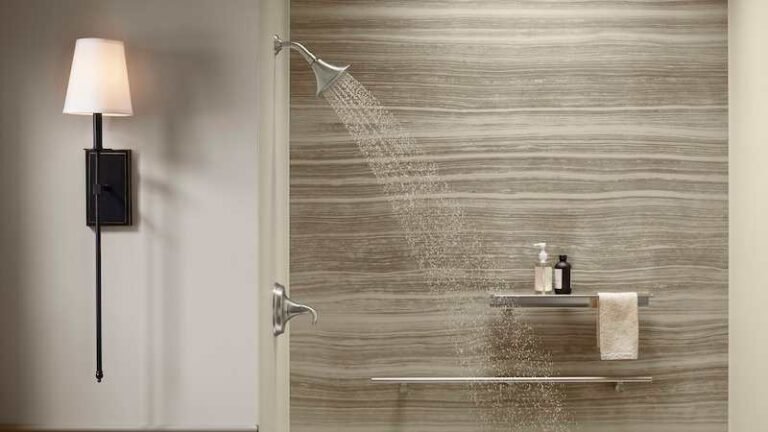
Bathing can feel unsafe and uncomfortable for disabled people without the right supportive furniture and equipment. Make bathing feel easier by replacing your traditional tub with a walk-in shower with a seat or installing a bath hoist.
You can also improve their safety by installing grab rails next to the bath, near the toilet, and inside the shower. Many disabled people may find it easier to use a comfort-height toilet or wash and brush their teeth at a roll-under sink.
Improve Home Safety and Security
A few small changes can improve a disabled person’s safety and security at home. For instance, swap doorknobs for easy-to-use lever handles to make it easier for your loved one to move from room to room.
Consider removing unsecured rugs and securing loose electrical cords to prevent falls, and install bright lighting or motion sensors in hallways to prevent accidents. You can also boost their safety and security by installing an intercom system and outdoor lighting.
While the above changes might feel daunting, financial assistance is available to help fund the cost of various home adaptations, such as Medicaid, USDA loans and grants, Veterans Affairs (VA), and support from your local Area Agency on Aging.