How to Design a Backyard That Feels Like an Extension of Your Home
A well-designed backyard can become much more than an area of unused lawn or a place visited only when the weather is pleasant. Homeowners exploring durable, low-maintenance surfaces can learn more about artificial turf solutions and the artificial grass options available for creating attractive residential lawns, recreation areas, and other outdoor spaces. By connecting the design of the backyard with the style and function of the interior, it is possible to create an outdoor environment that feels like a natural continuation of the home.
Start With How You Want to Use the Space
Before choosing furniture, plants, or decorative features, consider how the backyard will actually be used. Some households may want a quiet place to read and relax, while others need room for entertaining, outdoor dining, pets, or children. Identifying these priorities early helps ensure that every part of the design serves a useful purpose.
It can also be helpful to think about how outdoor needs may change throughout the day or over time. A dining area might be used for family meals during the week and larger gatherings on weekends, while an open lawn could support both play and relaxation. Flexible spaces often provide more long-term value than areas designed for only one activity.
Create a Natural Transition From Indoors to Outdoors
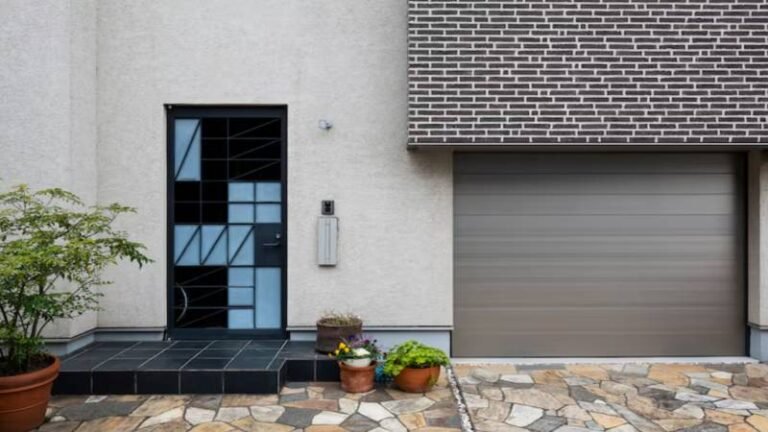
The connection between the house and backyard has a major influence on whether the outdoor area feels like part of the home. Large doors, clear walkways, and well-positioned patios can make movement between the two spaces feel effortless. Even simple entrance improvements can create a stronger visual relationship between indoor and outdoor areas.
Repeating certain materials, shapes, or design details can strengthen this connection. For example, similar flooring tones, furniture styles, or architectural lines can make a patio feel related to the room beside it. The goal is not to make both spaces identical but to give them enough shared characteristics to feel intentionally connected.
Divide the Backyard Into Functional Zones
Many indoor spaces work well because different areas have clearly defined purposes, and you can apply the same principle outdoors. A backyard might include separate zones for dining, cooking, conversation, recreation, and gardening. Creating these distinct areas can make even a relatively modest yard feel organized and practical.
Physical walls are rarely necessary to separate outdoor zones. Changes in paving, ground surfaces, furniture placement, planting, or lighting can subtly show where one area ends and another begins. These visual boundaries create structure while preserving the open feeling that makes outdoor spaces appealing.
Choose Surfaces That Suit Everyday Life
Ground surfaces strongly affect a backyard’s appearance, comfort, and maintenance needs. Patios and walkways may benefit from stone, concrete, pavers, or other hard materials, while softer surfaces can work well around play and relaxation areas. Choosing each surface according to how the area will be used can improve both practicality and visual appeal.
Also consider maintenance before making a final decision. Natural lawns, garden beds, paving, decking, and alternative landscaping surfaces all require different levels of care throughout the year. Combining several suitable materials can create visual variety while preventing one maintenance-intensive feature from dominating the entire backyard.
Bring Indoor Comfort Outside
Comfortable outdoor furniture can make a backyard feel more like a genuine living area rather than an occasional recreational space. Seating should be appropriate for the number of people who regularly use the yard and arranged in a way that encourages conversation. Tables, cushions, shade, and weather-resistant furnishings can further improve comfort.
The arrangement can follow many of the same principles used inside the home. A central table can anchor a seating area, while side tables and carefully positioned chairs can make the space more convenient to use. When outdoor furniture is selected with the same attention as indoor furnishings, the backyard begins to feel intentionally designed rather than simply filled.
Use Landscaping to Add Structure and Character
Plants can soften hard surfaces and help different sections of a backyard feel connected. Trees, shrubs, flowers, ornamental grasses, and container plants can introduce texture while framing seating areas and pathways. Thoughtful planting can also provide privacy without making the yard feel enclosed.
Landscaping should reflect the amount of maintenance the household is prepared to manage. A complex garden may look impressive but can become difficult to maintain if regular pruning, watering, and seasonal care are unrealistic. Selecting suitable plants and limiting demanding features can help preserve the intended appearance with less ongoing effort.
Make Lighting Part of the Design
Outdoor lighting allows a backyard to remain useful after daylight fades and can completely change its atmosphere in the evening. Pathway lights can improve visibility, while softer lighting around seating and dining areas creates a more welcoming environment. Lighting can also highlight trees, architectural details, or other attractive features.
Different areas may require different levels of brightness depending on their purpose. Cooking and steps generally need clearer illumination, while conversation areas often benefit from softer light. Planning these layers together produces a more comfortable result than relying on a single bright outdoor fixture.
Add Details That Reflect Your Interior Style
Decorative choices can provide the final connection between indoor and outdoor living spaces. Outdoor rugs, cushions, planters, furniture finishes, and accessories can echo colors or textures already used inside the house. These details help create consistency without requiring major construction or expensive renovations.
Personal touches can also prevent an outdoor area from feeling like a generic showroom. Exterior-grade artwork, distinctive planters, fire features, or carefully chosen decorative objects can add character. The most successful details are usually those that support the overall design while still serving the household’s everyday needs.
Conclusion
Designing a backyard as an extension of the home requires more than simply adding furniture to a patio or improving the lawn. By considering how the space will be used, creating a smooth transition from indoors, selecting practical surfaces, introducing comfortable furnishings, and coordinating landscaping and lighting, homeowners can create an outdoor environment that feels genuinely connected to daily life. A thoughtful balance of appearance, function, comfort, and maintenance can turn the backyard into another welcoming part of the home.