How Thoughtful Home Decor Can Transform the Way You Live
A home is more than just a collection of rooms, furniture, and decorative objects. It is the place where daily routines unfold, memories are created, and personal style comes to life. That is why thoughtful home decor is not simply about making a space look beautiful. The right design choices can make a home feel more comfortable, functional, welcoming, and uniquely personal.
In recent years, homeowners have started moving away from perfectly coordinated interiors and are embracing spaces that reflect their individual personalities. From natural materials and warm colors to practical furniture and carefully selected accessories, modern home decor is increasingly focused on creating environments that feel authentic.
Start With the Feeling You Want to Create
Before buying new furniture or decorative pieces, think about how you want your home to feel.
Do you want your living room to feel calm and relaxing? Perhaps you prefer a bright, energetic kitchen or a warm and cozy bedroom. Defining the desired atmosphere first makes it much easier to choose colors, textures, lighting, and furniture that work together.
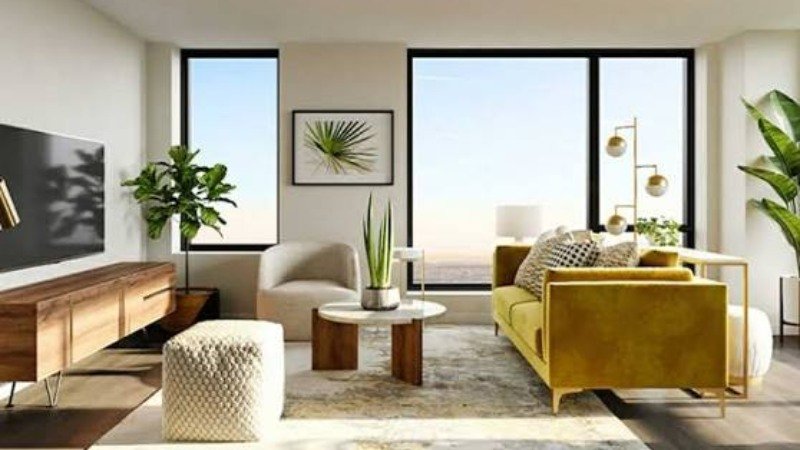
For example, soft neutral colors can create a peaceful atmosphere, while earthy shades such as olive green, terracotta, beige, and warm brown can add a natural and comfortable feeling. You do not necessarily need to follow a particular interior design trend. Instead, focus on creating a space that feels right for the people who live there.
Natural Elements Bring Warmth Indoors
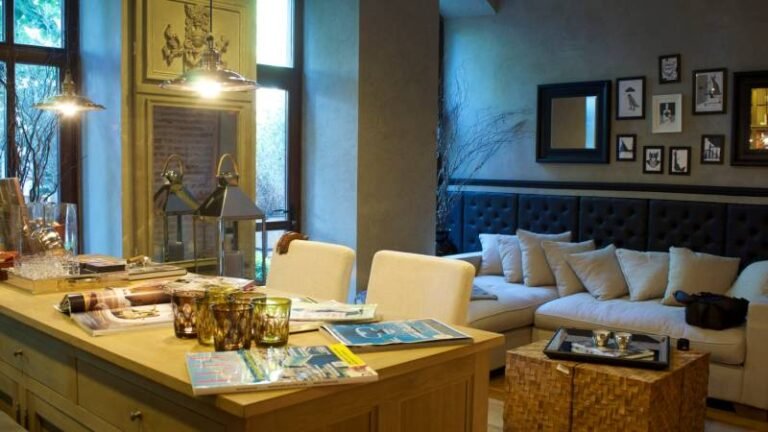
One of the most effective ways to make an interior feel inviting is to introduce natural elements. Wood, stone, cotton, linen, rattan, and indoor plants can add texture and visual interest without making a room feel overly decorated.
A wooden coffee table, woven basket, linen curtains, or a few green plants can completely change the character of a room. These elements also work well with a wide range of interior styles, from modern and minimalist to rustic and traditional.
Plants are particularly useful because they bring color and life into otherwise plain spaces. Even a small collection of low-maintenance plants can make a room appear fresher and more welcoming.
Lighting Can Change Everything
Lighting is often overlooked when people plan their home decor, but it can have a significant impact on the appearance of a space.
Instead of relying on one strong ceiling light, consider using several layers of lighting. Floor lamps, table lamps, wall lights, and decorative lighting can create different moods throughout the day.
Warm lighting is generally suitable for bedrooms and living areas where relaxation is important. Brighter lighting can be more useful in kitchens, workspaces, and areas where detailed tasks are performed.
Natural light should also be used whenever possible. Keeping windows clear and choosing appropriate curtains can help a room feel larger, brighter, and more connected to the outdoors.
Choose Quality Over Quantity
A common mistake in home decorating is buying too many accessories simply because a room feels empty. However, an overcrowded space can quickly become difficult to maintain and visually stressful.
Instead, choose a smaller number of pieces that have meaning or add genuine character. A large piece of artwork, an interesting mirror, a handmade vase, or a distinctive rug can become a focal point without requiring dozens of smaller decorations.
When searching for inspiration and practical ideas for improving different areas of your home, resources such as [Your Website] can provide useful guidance on combining style, comfort, and functionality.
The goal is not to fill every empty surface. Sometimes leaving a little open space allows the furniture and decorative elements you love to stand out.
Make Your Home Reflect Your Personality
The most memorable interiors are rarely those that look exactly like a showroom. They are spaces that tell a story.
Family photographs, travel souvenirs, books, artwork, handmade objects, and vintage finds can give a home a personal identity. These details do not have to match perfectly. In fact, combining different styles and textures can make a room feel more authentic.
A home should ultimately be designed around the people who use it. If you enjoy reading, create a comfortable reading corner. If you frequently entertain guests, prioritize flexible seating. If you work from home, make your workspace comfortable and organized.
Good decor should support your lifestyle rather than make everyday life more complicated.
Small Changes Can Make a Big Difference
Transforming a home does not always require a major renovation or a large budget. Small improvements can have surprisingly noticeable results.
Rearranging furniture, changing cushion covers, adding a mirror, introducing plants, updating curtains, or replacing outdated lighting can refresh a room without starting from scratch.
The key is to make intentional choices. Before purchasing something new, consider whether it improves the room’s appearance, function, or comfort. If it does all three, it is likely to be a worthwhile addition.
Final Thoughts
Great home decor is not about following every new trend or spending a fortune on designer furniture. It is about understanding your space and making thoughtful choices that combine beauty with everyday practicality.
By using natural textures, appropriate lighting, meaningful accessories, comfortable furniture, and colors that suit your personality, you can create a home that feels both stylish and genuinely lived in.
Whether you are refreshing a single room or planning a complete interior makeover, start with small, purposeful changes. Over time, these decisions can turn an ordinary house or apartment into a space that truly feels like home.