What Most Home Renovation Projects Underestimate About Waste Removal
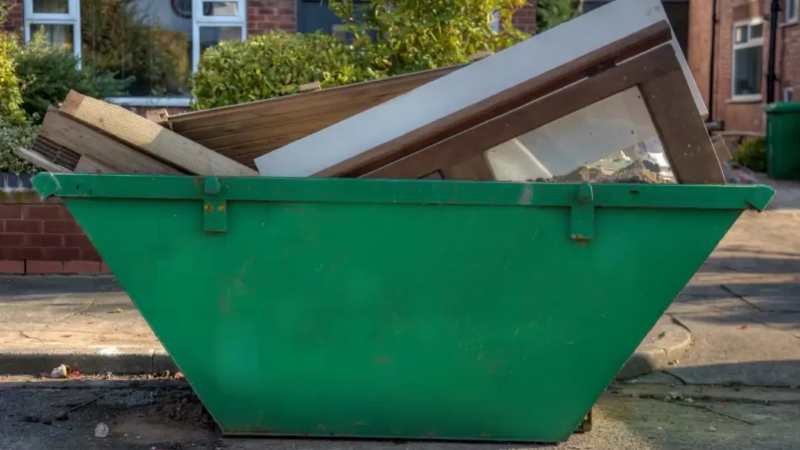
Home renovations are exciting. Whether you’re modernizing a kitchen, upgrading a bathroom, or transforming an outdoor area, the focus usually stays on design choices, materials, and budgeting. Yet one major aspect often gets overlooked until the mess starts piling up: waste removal. Many homeowners quickly discover that renovation debris accumulates faster than expected, making proper disposal planning just as important as the renovation itself. That’s why services like small skip bin have become increasingly popular for managing clutter efficiently without disrupting the entire project timeline.
Ignoring waste management can lead to delays, safety risks, unexpected costs, and even legal issues. Understanding what most renovation projects underestimate about waste removal can help homeowners stay organized, reduce stress, and keep projects running smoothly from start to finish.
Renovation Waste Builds Up Faster Than Expected
One of the biggest misconceptions during renovations is assuming there will only be a few bags of rubbish to remove. In reality, even small projects generate significant waste. Old cabinets, timber, plasterboard, tiles, broken fixtures, packaging materials, and dust can accumulate within days.
A bathroom renovation, for example, may seem compact, but removing tiles, vanities, and fittings creates heavy debris that standard household bins cannot handle. Kitchen remodels often produce even more waste due to appliances, countertops, and demolition materials.
Without a proper waste removal strategy, piles of debris can quickly take over workspaces, driveways, and outdoor areas. This clutter not only slows productivity but also creates unnecessary frustration throughout the renovation process.
Waste Removal Directly Impacts Project Efficiency
Many homeowners fail to realize how much waste management influences the speed of a renovation. Contractors need clear working areas to move safely and complete tasks efficiently. When rubbish starts accumulating, tradespeople spend additional time maneuvering around debris instead of focusing on construction work.
Overflowing waste can also delay deliveries, obstruct pathways, and make tool access difficult. In some cases, unmanaged rubbish forces temporary work stoppages while cleanup is completed.
Having a dedicated disposal solution in place keeps the renovation site organized from day one. This allows tradespeople to work faster, maintain better workflow, and minimize interruptions that could extend project timelines.
Improper Disposal Can Increase Overall Costs
Renovation budgets often account for materials and labor but underestimate disposal expenses. Many homeowners assume they can gradually dispose of waste using council bins or occasional trips to the local tip. However, transportation costs, disposal fees, fuel expenses, and time commitments can quickly add up.
Additionally, certain materials require special disposal methods. Concrete, treated timber, asbestos, paint, and electronic waste may carry extra handling charges or legal restrictions.
Failing to plan for these costs can create budget blowouts later in the project. Organized waste removal systems help avoid unexpected expenses by consolidating disposal into a more manageable process.
Safety Risks Are Commonly Overlooked
Construction waste is more than just untidy—it can be dangerous. Sharp metal edges, broken tiles, nails, splintered wood, and loose rubble create serious safety hazards for homeowners, contractors, children, and pets.
Trips and falls are among the most common renovation-related accidents, especially when debris blocks walkways or accumulates in high-traffic areas. Dust and hazardous materials can also affect air quality, leading to respiratory irritation or other health concerns.
Maintaining a clean renovation site significantly reduces these risks. Consistent waste removal helps create safer working conditions while protecting everyone involved in the project.
Different Renovations Produce Different Types of Waste
Another commonly underestimated factor is the variety of waste generated during renovations. Not all debris can be disposed of in the same way. Different materials often require separate handling procedures based on local regulations and environmental guidelines.
Common renovation waste includes:
Demolition Debris
This includes bricks, tiles, concrete, plasterboard, timber, and insulation materials. These items are usually bulky and heavy, requiring proper disposal methods.
Green Waste
Outdoor renovations and landscaping projects generate branches, soil, grass, and vegetation that may need separate collection.
Hazardous Materials
Older homes may contain asbestos, lead paint, chemicals, or treated materials that require professional removal and disposal.
Recyclable Materials
Metal, cardboard, glass, and certain plastics can often be recycled instead of ending up in landfill.
Understanding these categories early helps homeowners avoid contamination issues and comply with disposal regulations.
Environmental Responsibility Matters More Than Ever
Modern homeowners are becoming increasingly conscious of sustainability during renovations. However, waste removal is often neglected in environmental planning.
Improper disposal contributes to landfill overflow and environmental damage. Many renovation materials can actually be recycled or repurposed when sorted correctly. Timber, metal, concrete, and cardboard frequently have recycling pathways that reduce environmental impact.
Planning eco-friendly waste management strategies supports more sustainable renovations while reducing unnecessary landfill contributions. Responsible disposal practices also demonstrate greater community awareness and environmental care.
Space Limitations Create Additional Challenges
Many residential properties simply do not have enough space to store large amounts of renovation debris. Narrow driveways, limited yard areas, and shared residential spaces can quickly become overcrowded during construction work.
Without a designated waste solution, rubbish often spreads into living areas, garages, or pathways, making everyday life difficult for occupants. This becomes especially problematic for families continuing to live in the home during renovations.
Efficient waste containment keeps debris centralized and prevents the project from affecting the entire property more than necessary.
Local Regulations Are Frequently Ignored
Waste disposal regulations vary depending on location, and many homeowners are unaware of local council rules regarding renovation waste. Certain materials cannot be placed in household bins, while illegal dumping can result in significant fines.
Some areas also require permits for waste containers placed on public property or roadsides. Failing to comply with local regulations can create unnecessary legal complications during what should be an exciting home improvement project.
Researching local disposal guidelines before starting renovations helps avoid penalties and ensures proper handling of all materials.
Planning Waste Removal Early Saves Time and Stress
One of the smartest decisions homeowners can make is incorporating waste management into the renovation plan from the very beginning. Instead of treating rubbish disposal as an afterthought, it should be considered alongside budgeting, scheduling, and contractor coordination.
Early planning allows homeowners to:
- Estimate the volume of waste likely to be generated
- Identify potential recycling opportunities
- Minimize safety hazards
- Prevent project delays
- Reduce cleanup stress
- Stay within budget
A proactive approach creates a far smoother renovation experience overall.
Final Thoughts
Home renovations involve far more than design upgrades and construction work. Waste removal plays a critical role in keeping projects safe, efficient, cost-effective, and environmentally responsible. Unfortunately, it remains one of the most underestimated aspects of renovation planning.
From demolition debris to recyclable materials and hazardous waste, every renovation produces challenges that require proper organization and disposal strategies. By planning ahead and prioritizing effective waste management, homeowners can avoid unnecessary delays, reduce risks, and create a more streamlined