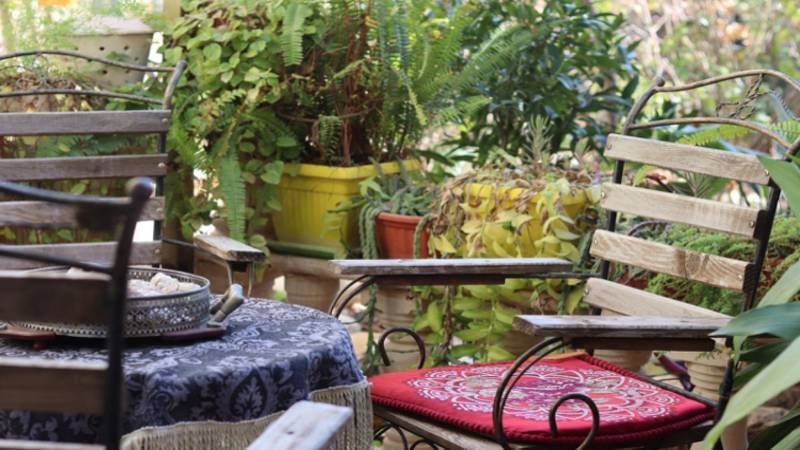
Turn Your Garden into an Extension of Your Home
A garden can offer far more than just a pretty view from your kitchen window. With thoughtful planning, your outdoor space can become a natural extension of your home, providing further living space, whether that s for niche activities or a broad range. The key is to approach the garden as you would any interior room: give it a clear purpose, create visual connections, and choose features that suit your lifestyle.
Decide How You Want to Use the Space
Start by considering how you already use your home and where you could benefit from additional space. If your dining room feels crowded when guests visit, an outdoor dining area may be the right priority. If you work remotely, a quiet garden office could provide welcome separation from household activity. Families might prefer a flexible play zone, while enthusiastic hosts may want a covered seating area with lighting and an outdoor kitchen.
Add a Practical Garden Structure
Practical structures can make these ideas possible throughout most of the year. A Steelmaster Quonset Hut, for example, can be surprisingly useful in a residential garden. Its curved shape creates a spacious interior without requiring complicated structural support, making it suitable for a range of purposes from a workshop to a sheltered social space. Its distinctive appearance can also become an intentional design feature rather than something hidden at the end of the yard.
To help a Quonset hut blend with the garden, soften its industrial form with thoughtful landscaping. Climbing plants on nearby trellises, layered shrubs, gravel paths, and raised beds can connect the structure to its surroundings.
You can also coordinate the entrance, paint colors, lighting, and furnishings with details used inside your home. Before installing any substantial structure, check local zoning rules, property restrictions, drainage conditions, and foundation requirements.
Create a Natural Indoor-Outdoor Connection
Once the main purpose is clear, create a smooth transition between indoors and outdoors. Repeat colors, textures, or materials from adjoining rooms.
Wood flooring might inspire a deck in a similar tone, while interior accent colors can reappear in cushions, planters, or outdoor rugs. Wide doors and unobstructed views strengthen the connection, but smaller changes, such as matching furniture styles, can have a strong effect too.
Make Comfort a Priority
Comfort should guide every decision. Choose seating that encourages people to stay and arrange it around a focal point such as a fire pit, coffee table, water feature, or planted border. Add shade with a pergola, umbrella, awning, or tree canopy.
For those cooler evenings, consider blankets, a safe outdoor heater, or a sheltered corner protected from prevailing winds. A compact beverage station can further reduce trips indoors and make outdoor gatherings feel completely effortless.
Use Lighting to Extend the Evening
Lighting can fully transform your garden as it ensures it remains inviting after sunset. Consider Combining practical illumination with softer decorative layers. Path lights improve visibility, wall fixtures support cooking and dining, and warm string lights or lanterns create atmosphere. Avoid flooding the entire yard with harsh brightness. Instead, highlight steps, seating areas, architectural features, and selected plants to produce depth while keeping the setting calm.
Add Character with Plants
Planting is equally important because it gives the outdoor room character and privacy. Use taller shrubs or ornamental grasses to define boundaries, then add smaller plants for color and seasonal interest. Fragrant herbs near dining areas can be both attractive and useful. Select varieties suited to your climate, soil, sunlight, and available maintenance time so the garden remains enjoyable rather than becoming another demanding chore.
Keep the Garden Organized
Storage helps preserve the feeling of an organized living space. Benches with hidden compartments, weather-resistant cabinets, wall hooks, and dedicated bins can keep cushions, toys, tools, and grilling equipment close at hand. When everything has a place, the garden is easier to use spontaneously and quicker to tidy before guests arrive.
Personalize Your Outdoor Room
The key to this type of designed space, is to add your personality into its design. You can make structures with designs incorporated into them and display outdoor art that incorporates your favorite colors. Alongside this if you are a reader, you can add a reading bench or have the space designed to allow for families to gather round and play games.
Remember that your garden does not need to follow a showroom formula. It should reflect the same tastes and routines that shape the rooms indoors. Combine your preference of comfort and practicality into the design and you will be able to transform your modest yard into a valuable living space. Plan around the way you genuinely spend your time, choose durable materials, and build the design gradually. The result will feel less like a separate backyard and more like another welcoming room of your home. Click here see more.