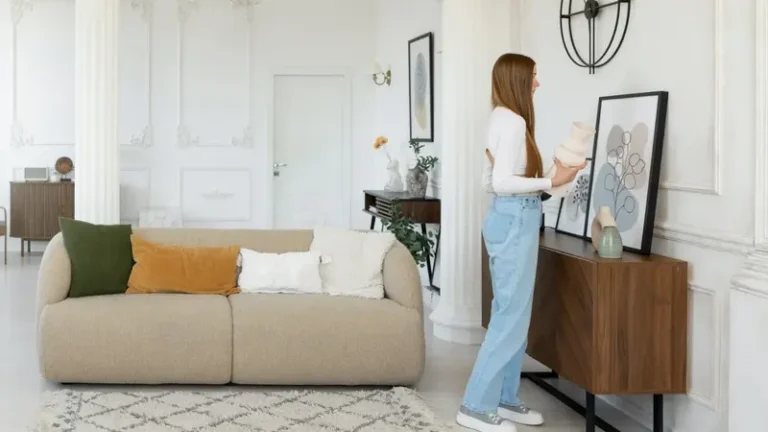
What Makes a Room Balanced and Welcoming?
A comfy and harmonized room atmosphere is not a matter of individual preference but rather an incorporation of the proper design, function, and layout, thus making the area manifest both its intention and its character. If you succeed in properly distributing the room’s different functions, it will positively affect concentration, productivity, and people’s well-being generally, especially in places like data centers, tech offices, or home setups for database technicians. To the people on platforms like Mudbugs, who are mainly engineers, developers, and database professionals, design is more than just a matter of looks. It is a functional necessity.
A well-thought-out office can increase focus, cut stress, and speed up work. Posters are one of the factors seldom considered that can bring the balance mentioned.
They are simple yet highly effective ways of adding order, significance, and motivation to the technical workspaces. Let’s get a closer look at what really creates such a balancing and welcoming atmosphere and how the use of intelligent design, together with the posting of posters in the right places, can yield the same amount of productivity and comfort.
What Does a Balanced Room Actually Mean?
Balance in interior design is the skillful arrangement of visual weight in such a manner that not only is it evenly distributed, but also the entire place gets the impression of melodiousness. It implies the combination of different elements like furniture, lighting, colors, fabrics, and decorations in such a way that no area seems too strong or surprisingly empty at the same time.
The types of balance:
- Symmetrical Balance: The scheme is so that there is a mirror image on both sides. It is the best that could happen to a situation that is both polite and neat.
- Asymmetrical Balance: A big object cannot be alone, and it is compensated for by a small object. Therefore, the juxtaposition gives rise to a lively yet warm appearance.
- Radial Balance: The setup is spiraled around a central point of interest, which is the best arrangement for conference or casual sitting areas.
To sum up, balance means comfort. The balanced room will have the person’s eye moving effortlessly through it, and so visual fatigue will be eliminated, and a serene, earthy atmosphere will be created.
The Role of Functionality in Tech Environments
Functionality is the primary consideration for all the workspaces created for database administrators, developers, and DevOps teams. It is all about ergonomics, lighting, screen positioning, and cable management. A well-balanced setting can contribute to the enhancement of work efficiency and the minimization of noise, thereby making it more conducive.
Actionable Design Tips:
- Set up different activity zones, a coding focus area, plus a teamwork or idea-generating space.
- Utilize rugs or wall color to separate the areas visually.
- Mixed lighting for intricate tasks, along with soft light for easing eye fatigue.
- Analogous props like whiteboards, bookshelves, and posters will help you connect with the past and unchain yourself from the digital world.
A tech workspace designed properly for its function follows the rules of ergonomics and visual clarity. So, concentration is easier, and the person does not get tired mentally
Poster Design: A Simple Yet High-Impact Element
Posters are a simple but very efficient way to add style and organize any office. They serve as magnets for the eyes, so the eye is directed to them, and the space around the poster gets filled with something significant. In addition to beauty, posters can also be signals for learning or motivation, such as showing technical diagrams, system architecture charts, quotes, and team-themed designs.
To sum it up, Poster Design Matters:
- It brings visual balance to bare walls.
- It strengthens the company culture and identity.
- It gives the simplest and most flexible options for décor for different moods or themes.
- It encourages focus, a SQL optimization chart or a data-flow diagram can be present in the sight of the team and still not interrupt their focus.
In poster design, keep in mind the basic layout principles. Proper spacing, perfect alignment, and good readability do not use clutter, low-quality graphics, or irrelevant pictures.
Posters that are designed well will give a technical setting a deeper and more organized look, along with an injection of creativity.
Color Psychology and Visual Comfort
The psychology of colors consists of two aspects, emotional and functional, and the appropriate color palette can transform a workspace from a clinical one to an inspiring one.
Best Practices for Color in Tech Spaces:
- Cool colors like blue and green should be the main ones and are going to keep the energy up and promote relaxation at the same time.
- Warm colors like orange and gold should be in the background and just to liven up the space and get attention.
- The whole idea of the design must be followed equally for the paintings, fabrics, and decorations.
- In this case, the color distribution rule of 60% for the main color, 30% for the second, and the smallest 10% for the last color proportion is applied.
The colors in the room must be the same as the colors of the poster so that there are no large contrasts in the scenery, and thoughtful choices in color and decor can also show how to make your room warmer for a more inviting workspace. Soft-colored, single-colored posters will blend perfectly with the clean, modern tech spaces. A particular color scheme will not only beautify the room but also create its atmosphere and determine the extent of its productivity.
Texture, Lighting, and Layering: The Hidden Game-Changers
Balance is not only visible but also sensed. Lighting, texture, and space layering form the primary means through which one senses the whole area.
- Texture: Mixing glass and metal with wood or fabric will create a rich tactile contrast.
- Lighting: Natural and artificial light can be mixed. Smart lights that brighten and change color can greatly affect mood and concentration.
- Layering: Use vertical storage and wall art to clear up desks. For depth and unity, match patterned walls with plain posters.
Layering of light, materials, and visuals is the reason why any tech space is not only more comfortable but also more immersive and engaging.
The Emotional Touch: Personalization Without Clutter
A workspace that is warm and inviting always speaks of its inhabitants. Personalization isn’t necessarily clutter it is a selective expression.
Significant Personal Touches:
- Include one or two things that stand for you a picture, a plant, or a signed poster.
- Put up pictures of the team or the goals you are aiming for.
- Pick out flexible decor that you will be able to change as time goes by.
Custom poster designs that showcase corporate ethics or humor are a great way to balance functionality and warmth, ensuring a visually pleasing aesthetic without visual overload.
Frequently Answer Questions
How should I choose posters for a tech workspace?
Pick designs that align with your team’s goals and work culture diagrams, quotes, or technical infographics are ideal.
How many posters should I use?
Start with one to three, spaced evenly. Overcrowding walls disrupt balance, while too few make a room feel bare.
Do posters really enhance productivity?
Yes. Thoughtful designs serve as quick references, motivation, and visual reminders, improving workflow and engagement.
Should poster colors match the room?
Absolutely. Cohesive colors maintain flow and visual calmness.
What’s the ideal poster size?
The sizes A2 16.5×23.4 in or 18×24 inches are the sizes that are highly recommended. The main walls will take the larger sizes, while the smaller sizes will be very well fitted in the layouts created by grouping.
Final Thoughts
It is not trends that create a beautiful and inviting space, but rather it is the purpose behind it. Every design choice should raise the question of what the reason is, how it will be used, and how the viewer’s attention will be directed through it.
In the case of MyDBOps professionals, it means incorporating layouts that drive performance with clarity of vision and a personal touch. The whole palette, including lighting, layout, and posters, creates the atmosphere and also the mode of operation.
The marriage of purpose and aesthetic is a very aesthetic outcome, a space that not only performs but also energizes and mirrors your personality. Accidental well-balanced workspaces do not exist. They are the result of a series of deliberate design choices, where posters play an unexpectedly powerful role in support.