Smart Energy Solutions Every Modern Homeowner Should Consider
Modern homeowners are becoming more conscious about energy usage, rising electricity costs, and environmental sustainability. As utility prices continue to increase, many families are searching for practical ways to reduce expenses while creating a more eco-friendly lifestyle. Smart energy solutions are now transforming the way homes consume and manage electricity, making daily living more efficient, comfortable, and cost-effective.
From energy-efficient appliances to renewable energy systems and intelligent home automation, homeowners now have more options than ever to improve energy performance. Investing in smarter energy choices not only lowers monthly utility bills but also increases property value and supports a greener future.
In this guide, we’ll explore the most effective smart energy solutions every modern homeowner should consider and how these technologies can benefit households in the long run.
Why Smart Energy Solutions Matter
Energy efficiency is no longer just a trend—it has become a necessity for homeowners worldwide. Traditional energy consumption methods often result in unnecessary waste and high electricity expenses. Smart energy solutions help reduce this waste by improving the way electricity is generated, stored, and used inside the home.
Modern energy technologies offer several advantages, including:
- Lower electricity bills
- Reduced environmental impact
- Increased home value
- Better energy management
- Improved comfort and convenience
- Long-term financial savings
As more households embrace sustainable living, smart energy systems are becoming an essential part of modern residential design.
Energy-Efficient Appliances
One of the easiest ways to improve household energy efficiency is by replacing outdated appliances with energy-efficient models. Older appliances often consume more electricity than necessary, increasing monthly energy costs.
Upgrade to Smart Appliances
Modern smart appliances are designed to use less power while delivering better performance. These include:
- Smart refrigerators
- Energy-efficient washing machines
- Smart dishwashers
- Induction cooktops
- LED televisions
- Smart air conditioners
Many of these appliances come with automation features that allow homeowners to control settings remotely and monitor energy usage in real time.
Benefits of Energy-Efficient Appliances
Energy-saving appliances help homeowners:
- Reduce electricity consumption
- Lower maintenance costs
- Improve appliance lifespan
- Minimise environmental impact
Although the initial investment may be higher, the long-term savings can be significant.
Smart Lighting Systems
Lighting plays a major role in household energy consumption. Traditional incandescent bulbs use far more electricity than modern LED lighting solutions.
Switch to LED Lighting
LED lights consume less power, last longer, and provide better illumination. Replacing old bulbs with LEDs can noticeably reduce energy usage throughout the home.
Use Automated Lighting Controls
Smart lighting systems allow homeowners to automate lighting schedules and control lights remotely through mobile apps or voice assistants.
Features may include:
- Motion sensors
- Dimming controls
- Timers and scheduling
- Remote operation
- Voice-controlled lighting
These technologies help prevent unnecessary electricity use while adding convenience to daily living.
Smart Thermostats and Climate Control
Heating and cooling systems are among the biggest contributors to household energy bills. Smart thermostats help regulate indoor temperatures more efficiently by learning homeowner preferences and adjusting settings automatically.
Improve Heating and Cooling Efficiency
A smart thermostat can:
- Reduce unnecessary heating and cooling
- Maintain consistent indoor comfort
- Lower electricity consumption
- Allow remote temperature control
Homeowners can schedule temperature settings based on occupancy, weather conditions, and daily routines.
Enhance Insulation and Ventilation
Proper insulation also plays a critical role in energy efficiency. Well-insulated homes maintain indoor temperatures more effectively, reducing the need for constant heating or cooling.
Energy-saving improvements include:
- Double-glazed windows
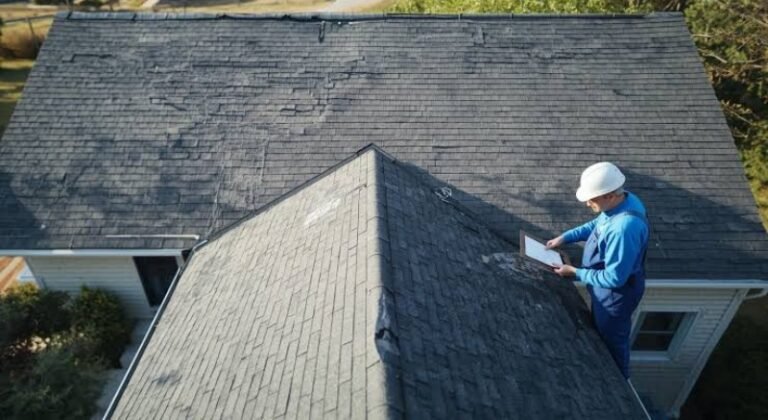
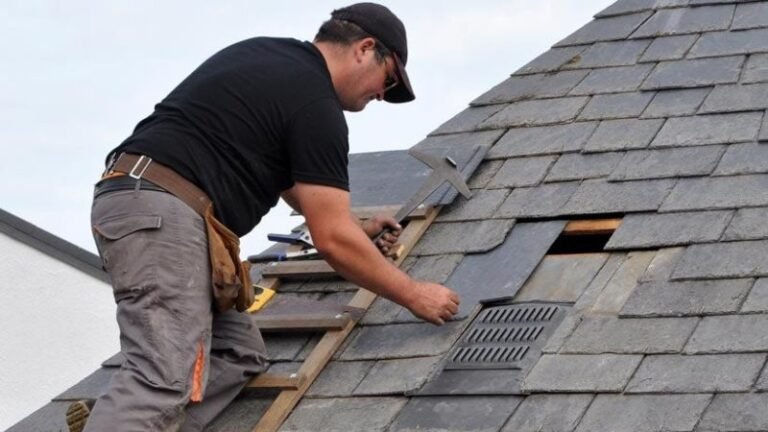
- Roof insulation
- Wall insulation
- Sealed doors and windows
- Energy-efficient ventilation systems
These upgrades improve overall comfort while reducing long-term energy costs.
Renewable Energy Systems
Renewable energy systems are becoming increasingly popular among homeowners seeking long-term savings and environmental benefits. These systems allow households to generate clean electricity using natural resources.
Harness the Power of Renewable Energy
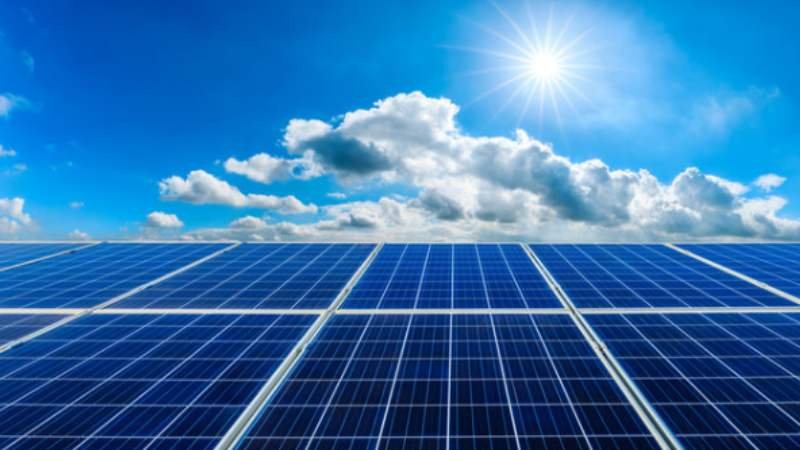
One of the most effective residential energy solutions is rooftop renewable technology, which converts sunlight into usable electricity for everyday household activities.
Benefits of Renewable Energy
Installing renewable energy systems offers several advantages:
- Reduced reliance on utility providers
- Lower electricity bills
- Increased property value
- Reduced carbon emissions
- Long-term return on investment
Many homeowners also benefit from government incentives and rebates designed to encourage sustainable energy adoption.
Battery Storage Technology
Battery storage systems are transforming the way households manage electricity. These systems store unused energy generated during the day and make it available when needed, such as during the evening or power outages.
Store Excess Energy for Later Use
Benefits of battery storage include:
- Greater energy independence
- Backup power during outages
- Better energy efficiency
- Reduced grid reliance
Battery systems are especially useful for households aiming to maximise renewable energy usage.
Smart Home Automation
Smart home technology allows homeowners to control multiple systems through a single platform. Connected devices improve energy management by automating daily household operations.
Create a Connected Home
Popular smart home features include:
- Voice-controlled assistants
- Smart plugs
- Automated blinds
- Smart security systems
- Intelligent irrigation systems
These technologies improve convenience while helping reduce unnecessary energy consumption.
Monitor Energy Usage in Real Time
Energy monitoring systems provide homeowners with detailed insights into electricity usage patterns. This helps identify areas where energy is being wasted and allows for smarter decision-making.
Real-time monitoring can help households:
- Track daily electricity usage
- Reduce peak-hour consumption
- Improve energy efficiency habits
- Detect faulty appliances
Understanding energy consumption is one of the most effective ways to reduce unnecessary expenses.
Water-Saving Energy Solutions
Hot water systems consume a considerable amount of household energy. Upgrading to energy-efficient water heating solutions can significantly lower utility bills.
Reduce Hot Water Consumption
Options include:
- Heat pump water heaters
- Tankless water heaters
- Smart water heating controls
- Low-flow showerheads
Reducing water waste also contributes to lower energy consumption overall.
Electric Vehicle Charging Solutions
As electric vehicles become more common, homeowners are increasingly installing residential charging stations. Smart charging systems allow vehicles to charge during off-peak hours, helping reduce electricity costs.
Prepare for the Future of Transportation
Benefits include:
- Convenient home charging
- Lower fuel expenses
- Reduced emissions
- Integration with renewable energy systems
This technology supports a more sustainable and energy-efficient lifestyle.
Financial Benefits of Smart Energy Upgrades
Although some smart energy technologies require upfront investment, the long-term financial benefits are substantial. Lower electricity bills and reduced maintenance costs often offset installation expenses over time.
Long-Term Savings
Homeowners may also experience:
- Higher property resale value
- Reduced energy price vulnerability
- Government rebates and incentives
- Improved household efficiency
Energy-efficient homes are becoming increasingly attractive to buyers in today’s property market.
Environmental Impact of Smarter Energy Choices
Smart energy solutions help reduce greenhouse gas emissions and minimise environmental damage caused by traditional energy production.
Support a Cleaner Future
By adopting energy-efficient technologies, homeowners can:
- Lower carbon footprints
- Reduce fossil fuel dependence
- Conserve natural resources
- Promote sustainable living
Small changes in household energy use can collectively create a major positive impact on the environment.
Choosing the Right Smart Energy Solutions
Every home has different energy requirements. Before investing in upgrades, homeowners should evaluate:
- Current electricity usage
- Household size
- Budget
- Climate conditions
- Long-term energy goals
Assess Your Household Needs
Working with experienced professionals can help identify the best solutions for maximum efficiency and savings.
Conclusion
Smart energy solutions are reshaping modern living by helping homeowners reduce electricity costs, improve comfort, and support environmental sustainability. From energy-efficient appliances and smart lighting to renewable energy systems and battery storage, today’s technologies offer practical ways to create more efficient households.
As energy prices continue to rise, investing in smarter energy management is becoming one of the most valuable decisions homeowners can make. These solutions not only provide immediate savings but also contribute to a cleaner, greener future for generations to come.
By adopting modern energy technologies today, homeowners can enjoy greater control over their energy usage while building a more sustainable and cost-effective lifestyle.