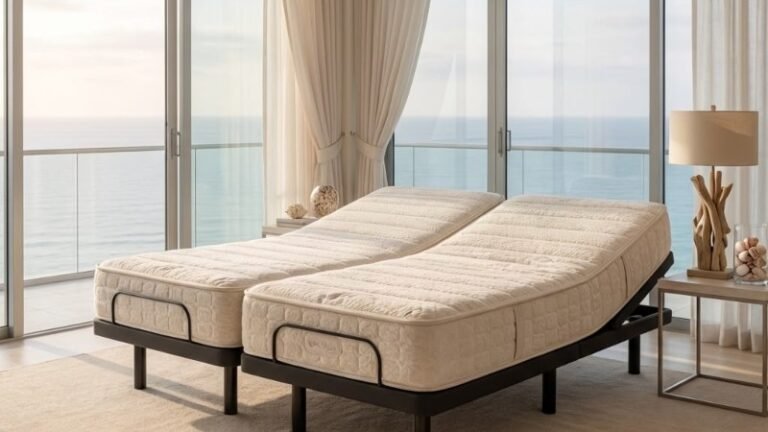
What the first month in a new home reveals about your design priorities
Moving into a new home changes how you see every room. Relocation stress can start easing after about 4 weeks. By then, daily life has also exposed what your home really needs. Maybe the kitchen feels darker at night. Perhaps storage no longer works as expected. The first month in a new home gives you time to notice these patterns. You begin to understand how each space actually works. That makes later design choices much easier. Instead of rushing, you can focus on what matters most.
What does your daily routine tell you about your home?
Your routine often tells you more than your original floor plan. A spare bedroom may become your regular office. The kitchen table might turn into a homework spot. Meanwhile, one corner of the living room may get constant use. As you unpack after moving, these patterns become easier to notice. The time needed to unpack can also reveal which rooms matter most. So, where should you start decorating? Usually, begin with the spaces that support your daily routine. For one household, that might be the bedroom. For another, the main living space may matter more. There is no universal answer. Your habits should decide. Notice where you spend the most time. Also watch which rooms stay mostly unused. Those patterns help you set better priorities.
How do you know when your layout needs changing?
A difficult layout usually becomes obvious quite quickly. You may keep walking around the same chair. A table might block an easy route across the room. Maybe a door catches against nearby furniture every morning. Annoying? Definitely. Before buying anything new, try moving what you already own. A small change can improve movement immediately.
Next, measure the room carefully. Start with the walls and the main furniture area. Then check anything that affects placement:
- Doors
- Fixed fittings
- Furniture dimensions
- Delivery access
Measure your furniture as well. Width matters, but so do depth and height. Planning a new sofa? Check how it will enter the property. Narrow hallways or stairs can create problems. Large furniture should support the room rather than overpower it.
Why does storage become a bigger priority after moving?
Storage problems often stay hidden while boxes remain packed. Once everything comes out, the real picture appears. Shoes may gather near the front door. Kitchen counters can start feeling crowded. Bathroom products may take over the surfaces you use every day. What does that tell you? You probably need storage where clutter keeps returning.
Start by identifying the exact problem. Then choose a solution that fits the way you use the space. Depending on the area, that might mean:
- Hooks near the entrance
- Dividers inside kitchen drawers
- Open shelving for books
- Larger cabinets for bulkier storage
However, avoid buying storage simply to fill empty walls. Useful storage should solve a repeated problem and make daily routines easier.
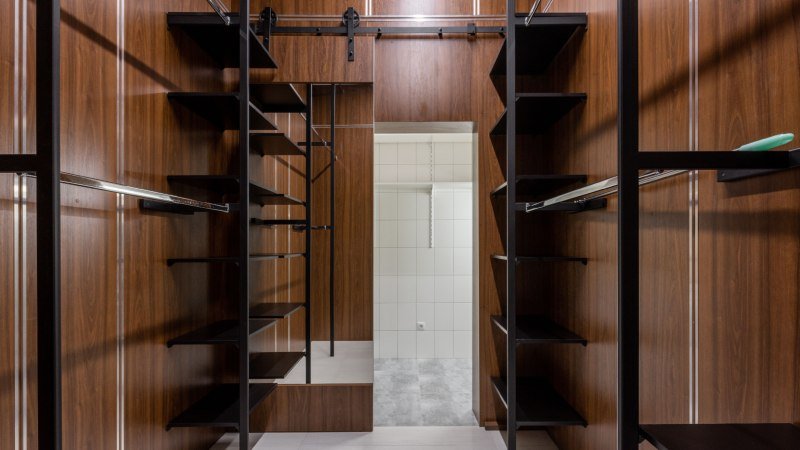 Living in the space shows where practical storage is genuinely needed during the first month in a new home.
Modern storage shelves in a walk-in closet
How can living there reveal your real lighting needs?
Lighting can feel completely different after you move in. Daylight changes from morning to evening. Artificial light becomes much more important after sunset. You may discover that one ceiling light is not enough. A kitchen counter might need focused light for food preparation. A reading chair could benefit from a lamp nearby. Hallways may also feel darker than expected at night.
It helps to think about lighting by purpose:
- General lighting helps you move around safely.
- Task lighting supports activities that need clearer visibility.
- Accent lighting can highlight a favourite feature.
You do not need every type in every room. However, each space should support the activities that happen there. Also watch how daylight affects paint colours. A shade can look very different by evening. Observe first, then choose.
Which comfort problems should you notice before decorating?
Some of the most important design issues are not decorative. Privacy can become a concern very quickly. So can glare from strong sunlight. You may also notice that certain rooms feel too warm or poorly ventilated. Bathrooms deserve special attention because moisture builds up there easily.
Pay particular attention to:
- Privacy
- Glare
- Temperature
- Ventilation
- Humidity
- Noise
Indoor humidity matters too. A range between 30% and 50% is generally comfortable indoors. Levels above 60% can increase moisture problems. Therefore, pay attention to condensation or damp patches. Ventilation can help in rooms where moisture appears regularly. Noise is another issue worth noticing. A work area may feel distracting beside a busy hallway. A bedroom may need better separation from noisy living spaces. Before buying decorative extras, deal with problems that affect everyday comfort. Those changes usually make a bigger difference.
When should you start choosing colours and decorative details?
You can start decorating whenever you feel ready. However, there is no need to finish everything immediately. Waiting can actually make some choices easier. Why? Because you understand the room better after using it.
Before making final decorative decisions, consider:
- Daylight before choosing paint
- Furniture placement before choosing a rug
- Privacy before ordering window treatments
- The final layout before hanging artwork
This does not mean leaving rooms unfinished for months. It simply means avoiding rushed purchases. Decorative details can be added gradually as the room develops. If you plan to paint, remember that good ventilation matters during the work. Follow the product guidance and air the room properly. The goal is simple. Finish each space when the important decisions already make sense.
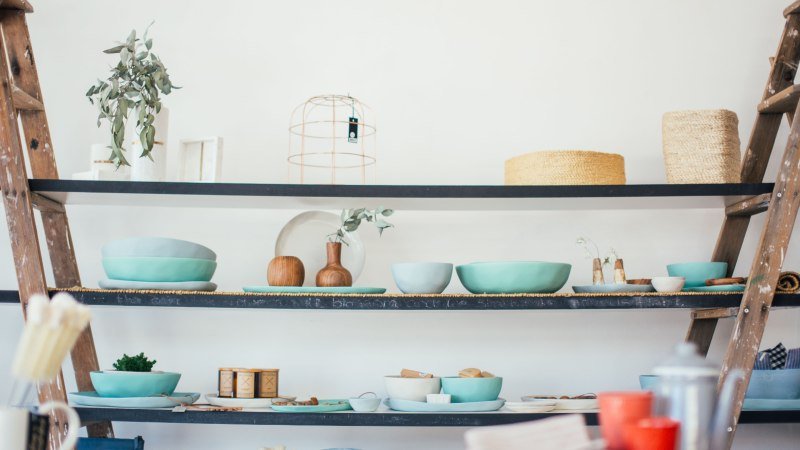
Decorative details work best once the room’s practical choices feel settled.
Shelves decorated with plants and home accessories
What should you buy first, and what can wait?
Start with the things you rely on every day. A comfortable bed usually matters more than decorative shelving. Practical seating can be more useful than wall decor. Good lighting may also deserve attention before smaller finishing touches. Storage becomes important when everyday items have nowhere suitable to go. Window coverings may need to come early if privacy is limited.
Early priorities often include:
- Essential sleeping furniture
- Practical seating
- Functional lighting
- Useful storage
- Necessary window coverings
Other purchases can wait until the room feels more settled. Furniture for rarely used areas does not need to come first. Decorative pieces can also be added later. If your budget is limited, spend more carefully on high-use items. Before ordering anything large, measure the intended space. Then make sure the piece can reach the room easily. A slower approach gives you more control and helps prevent expensive mistakes.
What should your home priorities look like after a month?
After several weeks, your home should start making more sense. You will know which rooms need attention first. Layout problems become easier to spot. Storage needs feel more specific. Lighting gaps become clearer during normal routines. Comfort issues also become harder to ignore. That information is useful. It helps you spend money where it matters most. Decoration can then support how you actually live. The first month in a new home is not about finishing every room. It is about learning what each space needs. Once that becomes clear, your design choices can feel simpler, more practical, and more personal.