How to Choose the Right Exterior Cleaning Method for Your Home Improvement Project
Your home is your most significant investment, and maintaining its exterior is crucial not just for aesthetic appeal but for its structural longevity. Over time, the exterior surfaces of your property inevitably accumulate an unsightly and potentially damaging buildup of dirt, grime, mold, mildew, and airborne pollutants. When planning your next major home improvement project, starting with a pristine canvas is absolutely essential.
Whether you are preparing to apply a fresh coat of paint, looking to increase your property’s resale value before listing it on the market, or simply wanting to restore your home’s original curb appeal, exterior cleaning is the foundational step. However, not all exterior surfaces are created equal, and treating a delicate shingle roof the same way you would a solid concrete driveway can lead to catastrophic and expensive damage.
Choosing the right exterior cleaning method requires understanding the specific needs of your siding, roofing, and hardscaping materials. From high-pressure water jets to gentle chemical treatments, navigating these options can feel overwhelming for the average homeowner. In this comprehensive guide, we will explore the various exterior cleaning methods available, helping you make an informed decision to safely and effectively revitalize your property.
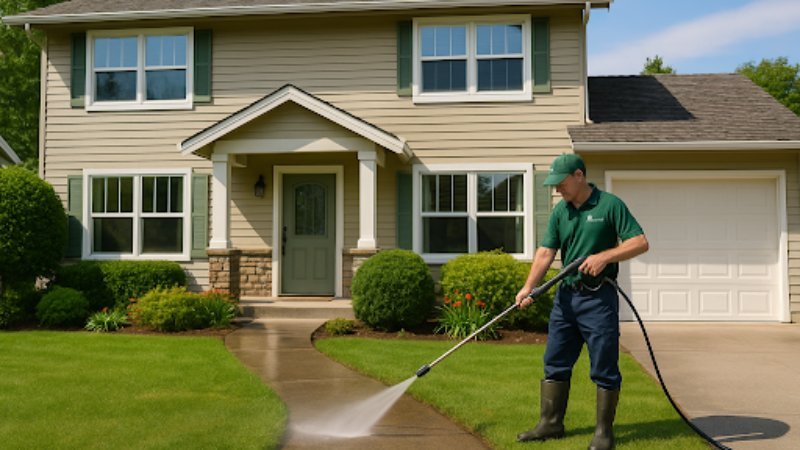
When tackling tough, deeply ingrained stains on durable surfaces, the most recognized approach is utilizing high-pressure water. This aggressive technique is highly effective for stripping away years of accumulated dirt, grease, and biological growth from concrete driveways, brick pathways, and robust stone patios. The sheer mechanical force of the water blasts away stubborn contaminants that simple scrubbing could never remove. However, because of the intense power involved, it is highly recommended to seek professional assistance rather than attempting a DIY approach that could result in permanent surface etching or property damage.
Relying on expert pressure washing services ensures that the correct equipment and pressure settings are applied specifically to your home’s unique hardscaping. Professionals possess the training to maneuver the wands safely, preventing accidental gouging of concrete or the unintentional stripping of protective sealants, leaving your foundational surfaces completely renewed and perfectly prepped for any subsequent home improvement modifications you have planned.
Understanding the Gentle Power of Soft Washing
While intense water pressure is excellent for concrete, it is disastrous for the more delicate areas of your home’s exterior. This is where soft washing becomes the indispensable choice for sensible homeowners. Soft washing utilizes specialized, low-pressure nozzles combined with biodegradable, eco-friendly chemical cleaning solutions to eradicate mold, mildew, algae, and bacteria at their very source. Instead of blasting the grime away, the chemical mixture breaks down the organic matter over a short period, which is then gently rinsed off with a volume of water comparable to a standard garden hose. This method is exceptionally crucial for cleaning asphalt shingle roofs, delicate vinyl siding, stucco, and painted wood exteriors.
Using high pressure on these vulnerable surfaces can strip away paint, void roof warranties by removing protective granules, and force water behind siding panels, which ultimately leads to severe internal water damage and unseen, hazardous mold growth inside your home’s structural framing.
The Distinct Advantage of Heated Power Washing
Although frequently used interchangeably in everyday conversation, pressure washing and power washing are entirely distinct methods with different applications for your home improvement journey. The critical defining difference lies entirely in the temperature of the water being utilized. Power washing incorporates a heating element that dispenses scalding hot water alongside the high pressure. This addition of extreme heat makes it the absolute superior choice for tackling specific types of stubborn blemishes, particularly heavy oil spills on garage floors, deeply embedded automotive grease on driveways, or stubborn chewing gum stuck to your walkways.
The hot water essentially melts the grease and oil, whereas cold water would merely push it around the porous concrete surface. Furthermore, the elevated temperature is highly effective for killing resilient weeds and intrusive moss growing between patio pavers. If your home improvement project involves completely reviving a severely neglected, heavily stained driveway, heated power washing provides an unmatched level of deep cleaning.
Assessing Your Specific Exterior Material Needs
To definitively choose the right exterior cleaning method, you must conduct a thorough assessment of your property’s various building materials. Start by visually inspecting your home from the roof down to the foundation. If you possess a modern home clad in vinyl or delicate fiber cement board, soft washing is your only safe recourse to maintain the integrity of the panels and prevent moisture intrusion. Conversely, if your property features an expansive, unpainted brick retaining wall covered in thick, dark moss, standard pressure washing is the ideal tactical approach.
Wood decking presents a unique challenge; older, weathered wood often requires a careful, low-pressure chemical clean to avoid splintering the soft grains, while newly installed, dense hardwoods might tolerate a slightly higher mechanical pressure. Always prioritize the manufacturer’s cleaning recommendations for your specific siding and roofing materials to ensure you do not inadvertently void any active warranties during your home improvement preparations.
Establishing a Routine Maintenance Schedule
Incorporating the correct exterior cleaning method into a consistent, routine maintenance schedule is the ultimate secret to prolonging the life of your home improvement investments. Allowing algae and mold to sit on your exterior surfaces unaddressed does more than just ruin your curb appeal; these biological contaminants physically eat away at your paint, rot your wooden trim, and degrade your expensive roofing shingles prematurely. An annual or bi-annual professional cleaning acts as essential preventative maintenance, saving you thousands of dollars in unavoidable replacement costs down the road. Furthermore, timing your cleaning appropriately matters immensely.
Scheduling an exterior wash during the mild spring months removes the harsh winter grime and prepares your home to shine during the summer entertaining season. Alternatively, an autumn cleaning eliminates accumulated pollen and falling organic debris, protecting your siding and delicate hardscaping from potential permanent staining caused by decaying wet leaves throughout the freezing winter months.
Frequently Asked Questions (FAQs)
What is the safest way to clean vinyl siding without causing damage?
Soft washing is unequivocally the safest and most effective method for vinyl siding. It utilizes low-pressure water combined with specialized detergents to dissolve dirt and kill algae without forcing water behind the panels, which can cause internal rotting.
Can high-pressure water damage my roof shingles? Yes, absolutely. High-pressure cleaning will violently strip away the protective UV-resistant granules from asphalt shingles, drastically reducing the lifespan of your roof and instantly voiding most manufacturer warranties. Always insist on soft washing for any roofing material.
How often should I have the exterior of my home professionally cleaned?
For optimal maintenance and curb appeal, it is highly recommended to schedule a comprehensive exterior cleaning at least once a year. Homes located in heavily wooded, humid areas may require bi-annual cleanings to combat rapid organic growth.
Is power washing exactly the same thing as pressure washing?
No, they are fundamentally different. While both utilize high-pressure water, power washing introduces extremely hot, heated water to the process. This makes power washing uniquely suited for breaking down heavy oils, thick automotive grease, and stubborn chewing gum.
Will the chemical solutions used in soft washing harm my landscaping?
Professional exterior cleaners utilize highly diluted, biodegradable solutions and follow strict protocols, such as heavily pre-watering your plants and wrapping delicate flora, to ensure your beautiful landscaping remains completely safe and unaffected during the entire cleaning process.
Final Thoughts
Embarking on a home improvement journey always begins with a thoroughly clean foundation. By understanding the critical distinctions between intense pressure washing, heated power washing, and gentle soft washing, you empower yourself to make the best possible decisions for your property’s long-term health and visual appeal. Remember that treating delicate siding like a concrete driveway will inevitably lead to costly repairs.
While the temptation to rent equipment and attempt a weekend DIY project is strong, the expertise, specialized equipment, and nuanced knowledge brought by professional cleaners are truly invaluable. Protecting your home’s exterior not only dramatically elevates your immediate curb appeal but fundamentally preserves the structural integrity and financial value of your most significant asset for decades to come. Ensure you choose the right method, prioritize safety, and enjoy the transformative results of a perfectly revitalized home exterior.