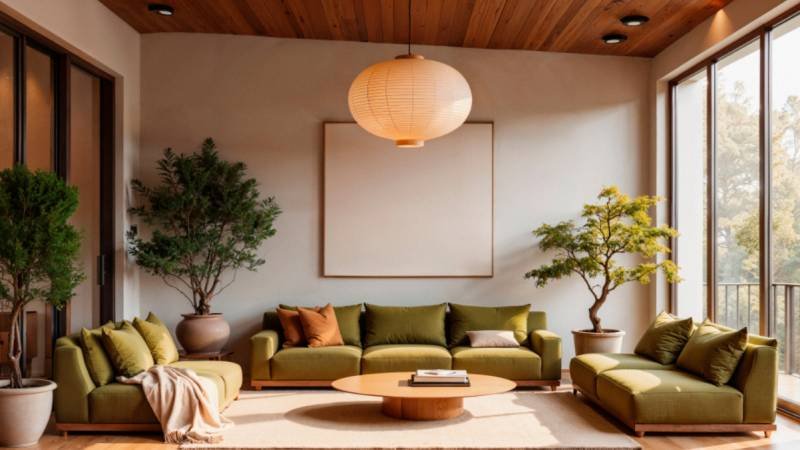
Modular Lounges for Small Spaces: What to Consider Before Buying
Choosing furniture for a compact living room requires careful thought about comfort, practicality and available floor space. A modular lounge in Perth homes can provide the flexibility needed to make better use of a smaller room. Its individual sections can be arranged to suit the available space and adjusted if the layout changes. Before selecting one, consider the room measurements, seating requirements, configuration and cushion support to ensure the lounge feels comfortable without overwhelming the space.
Why Modular Lounges Work Well in Small Living Spaces?
Small rooms benefit from furniture that can adapt to the way the space is used. Unlike a traditional sofa with a fixed shape, modular lounges are made from separate sections that can often be arranged in different ways. This makes it easier to create a layout that suits the available floor space.
A modular design can also make better use of limited areas or open areas of a living room. Depending on the configuration, separate modules may be positioned as a compact straight lounge, corner arrangement or additional seating. The result is furniture that can change as the needs of the household evolve.
What to Consider Before Buying a Modular Lounge for a Small Space
Measure the Available Space
Start with the room rather than the lounge. Measure the area where the furniture will be placed, including the length and width available for the main seating arrangement. Consider doors, windows, hallways, entertainment units and other furniture that may affect the placement.
It is also useful to check the dimensions of each module, as well as the overall measurements when the sections are joined together. A lounge may appear compact on paper but take up more space once positioned in the preferred configuration.
Choose the Right Modular Configuration
The number and type of modules can make a noticeable difference in a small living room. A large corner arrangement may provide generous seating but leave little usable floor space, while a smaller combination may offer a better balance.
Consider how the lounge will be used on a regular basis. If the main purpose is everyday seating, a simple configuration may be sufficient. For households that regularly need additional seating, choosing modules that can be separated or repositioned can provide greater flexibility.
Consider Size, Proportion and Seat Depth
A lounge does not need to fill a room to provide comfortable seating. Oversized arms, deep seats and bulky proportions can make a compact area feel crowded.
Pay attention to the relationship between the lounge and the rest of the furniture. A lower-profile design may suit a smaller room, while a carefully chosen seat depth can provide comfort without extending too far into the available floor area.
The size of surrounding furniture matters too. A compact coffee table and appropriately sized floor rugs can help maintain a practical layout without making the seating area feel cluttered.
Check Comfort and Cushion Support
A small room should not mean compromising on comfort. Check the seat cushioning, back support and overall sitting position before making a decision. Cushion firmness is also worth considering, as preferences can vary depending on how the lounge will be used.
For everyday lounging, supportive cushions can make a difference over time. It is also worth checking whether the cushions can be removed, rotated or maintained according to the manufacturer’s instructions.
Check How the Modules Can Be Rearranged
One of the main advantages of modular furniture is the option to change the arrangement. However, not every modular lounge offers the same level of flexibility.
Check how the sections connect and whether they can be separated without difficulty. Consider whether the modules can be moved into a different configuration if the room layout changes later. This can be particularly useful in smaller homes where furniture may need to serve more than one purpose.
How Modular Lounges Provide Flexible Seating in Small Spaces
A well-planned modular lounge can provide several seating options without requiring multiple separate pieces of furniture. Modules can be arranged together when a conventional lounge setup is preferred or separated when additional flexibility is needed.
This can also help when the living room is used for different activities. One arrangement might work well for watching television, while another could create more open floor space when required. Moving individual sections can be easier than replacing an entire sofa when the room’s needs change.
The key is to choose a modular system that suits the available space rather than selecting the largest configuration simply because it offers more seating.
Conclusion
A modular lounge can be a practical choice for a small living room when its size, configuration and comfort are carefully considered. Taking accurate measurements, selecting suitable modules and checking how the sections can be rearranged can help create a seating arrangement that works with the room rather than against it. Attention to cushion support, seat depth and surrounding furniture can also improve everyday comfort while keeping the space practical. Click here see more.
Frequently Asked Questions
Are modular lounges suitable for small living rooms?
Yes. Modular lounges can suit small living rooms because individual sections can be arranged according to the available space. A suitable configuration can provide comfortable seating without committing to one fixed layout.
What size modular lounge is best for a small space?
The best size depends on the room dimensions, layout and seating requirements. A compact configuration that leaves enough usable floor area is generally more practical than choosing a larger arrangement that dominates the room.
How do you measure a room for a modular lounge?
Measure the length and width of the intended seating area, then account for doors, walkways, windows and existing furniture. Check both the overall lounge dimensions and the measurements of individual modules before purchasing.
Can modular lounges be rearranged after purchase?
Many modular lounges are designed to allow the sections to be separated and rearranged. However, the level of flexibility varies between designs, so check how the modules connect before purchasing.
What Features Should a Small-Space Modular Lounge Have?
Look for a practical configuration, suitable dimensions, comfortable cushioning and a design that does not overwhelm the room. Modules that can be rearranged can also be useful when the layout or seating requirements change.