Pressure Washing vs. Soft Washing: Choosing the Best Exterior Cleaning Method for Your Property
Keeping the exterior of a property clean is about more than maintaining its appearance. Dirt, mold, algae, mildew, pollen, and environmental pollutants gradually build up on surfaces, causing discoloration and, in some cases, long-term damage. Whether you choose to handle routine maintenance yourself or hire a local pressure washing company, regular pressure washing and exterior cleaning help preserve a property’s value, improve curb appeal, and extend the lifespan of outdoor materials.
However, not every surface should be cleaned the same way. Understanding the differences between pressure washing and soft washing helps homeowners and property managers choose the most effective and safest cleaning solution.
Why Exterior Cleaning Matters
The outside of a building is constantly exposed to weather, moisture, dust, tree sap, bird droppings, and airborne contaminants. Over time, these elements can stain surfaces and create conditions where mold, algae, and mildew thrive.
Routine exterior cleaning offers several benefits:
- Improves the property’s overall appearance
- Prevents premature surface deterioration
- Removes slippery algae from walkways
- Protects paint and finishes
- Enhances property value
- Creates a healthier outdoor environment
- Prepares surfaces for painting or staining
Ignoring exterior maintenance can lead to expensive repairs that could have been avoided through regular cleaning.
What Is Pressure Washing?
Pressure washing uses highly pressurized water to remove stubborn dirt, mud, grease, moss, loose paint, and other contaminants from hard surfaces. The force of the water breaks apart debris that ordinary cleaning methods cannot easily remove.
Pressure washing is particularly effective for durable materials that can withstand high water pressure.
Common surfaces include:
- Concrete driveways
- Sidewalks
- Parking areas
- Stone patios
- Brick walls
- Retaining walls
- Garage floors
- Heavy-duty industrial surfaces
Because pressure washing relies on force rather than chemicals, it can efficiently restore heavily soiled areas in a relatively short time.
What Is Soft Washing?
Soft washing is another form of exterior cleaning, but instead of relying on high pressure, it uses low-pressure water combined with specially formulated cleaning solutions.
The cleaning agents break down mold, algae, mildew, bacteria, and organic stains before they are gently rinsed away.
Soft washing is ideal for delicate materials such as:
- Vinyl siding
- Stucco
- Roof shingles
- Wood siding
- Painted surfaces
- Outdoor furniture
- Screens
- Gutters
Since soft washing minimizes physical force, it greatly reduces the risk of surface damage while providing longer-lasting cleaning results.
Pressure Washing vs. Soft Washing
Although both methods clean exterior surfaces, they serve different purposes.
| Feature | Pressure Washing | Soft Washing |
| Water Pressure | High | Low |
| Primary Cleaning Method | Force | Cleaning Solutions |
| Best For | Hard Surfaces | Delicate Surfaces |
| Removes Dirt | Excellent | Excellent |
| Removes Algae | Good | Excellent |
| Risk of Damage | Higher | Very Low |
| Long-Term Protection | Moderate | Better Against Organic Growth |
Choosing the wrong method may damage surfaces or fail to eliminate the root cause of staining.
Areas That Benefit from Pressure Washing
Many outdoor surfaces naturally collect grime due to daily use and weather exposure.
Concrete Driveways
Oil stains, tire marks, mud, and dirt accumulate over time. Pressure washing restores the original appearance of concrete while improving traction.
Walkways
Sidewalks become slippery when algae or moss develop. Regular cleaning improves safety while enhancing appearance.
Patios
Stone, brick, and concrete patios often collect mildew, leaves, and dirt. Pressure washing prepares these spaces for outdoor entertaining.
Garage Floors
Automotive fluids, dust, and debris build up quickly inside garages. High-pressure cleaning removes stubborn contaminants effectively.
Commercial Parking Lots
Businesses benefit from maintaining clean parking areas that leave a positive first impression on customers.
Surfaces Better Suited for Soft Washing
Some materials require a gentler cleaning approach.
Roofs
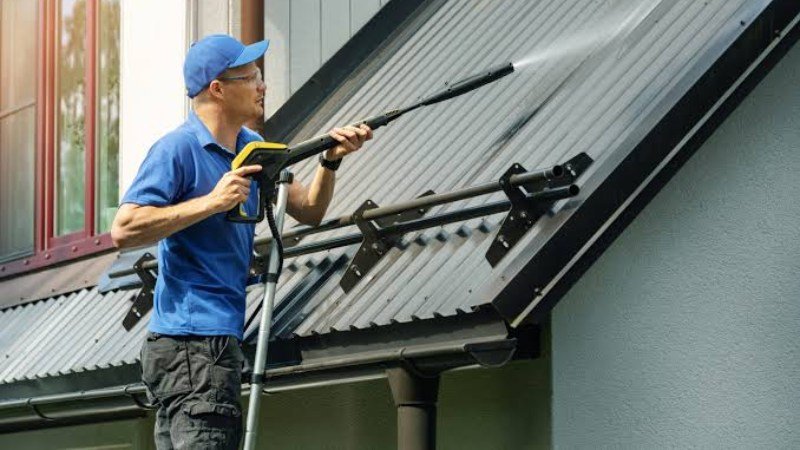
Asphalt shingles can lose protective granules when exposed to excessive pressure. Soft washing safely removes black streaks caused by algae.
Vinyl Siding
Low-pressure cleaning eliminates mold and mildew without cracking or warping the siding.
Painted Wood
High-pressure water may strip paint or damage wood fibers. Soft washing cleans while preserving the finish.
Stucco
Stucco can chip or crack under excessive force. Soft washing provides a safer cleaning option.
Outdoor Furniture
Plastic, wicker, and painted furniture benefit from gentle cleaning that preserves their finish.
Common Exterior Contaminants
Several substances commonly affect residential and commercial properties.
Mold
Thrives in damp environments and may spread quickly if left untreated.
Algae
Often appears as green or black streaks on roofs, siding, and fences.
Mildew
Usually develops in shaded areas with poor air circulation.
Pollen
Accumulated pollen creates a dull appearance and may contribute to seasonal allergies.
Dirt and Dust
Wind continuously deposits dust on exterior surfaces throughout the year.
Bird Droppings
These can stain surfaces and become increasingly difficult to remove over time.
Benefits of Regular Pressure Washing
Routine maintenance offers advantages beyond appearance.
Protects Building Materials
Removing contaminants prevents moisture retention that contributes to decay.
Extends Surface Life
Clean surfaces generally last longer because harmful buildup is eliminated before causing deterioration.
Improves Safety
Pressure washing removes slippery moss and algae that increase the risk of falls.
Enhances Property Value
A clean exterior creates a positive impression for visitors, tenants, and potential buyers.
Supports Preventive Maintenance
Regular inspections during cleaning can reveal small problems before they become costly repairs.
How Often Should Exterior Cleaning Be Performed?
Cleaning frequency depends on climate, surrounding vegetation, and environmental conditions.
General recommendations include:
- Driveways: Once or twice each year
- Patios: Annually
- Siding: Every 12–24 months
- Roofs: Every 2–3 years as needed
- Decks: Once per year
- Commercial buildings: Based on traffic and environmental exposure
Properties located near trees or humid environments may require more frequent cleaning due to increased organic growth.
Preparing for Exterior Cleaning
Before beginning any cleaning project, several preparation steps help achieve better results.
- Remove outdoor furniture.
- Close all windows and doors securely.
- Cover electrical outlets if necessary.
- Trim nearby vegetation.
- Move vehicles away from the work area.
- Inspect surfaces for cracks or existing damage.
Proper preparation improves both safety and cleaning efficiency.
Environmental Considerations
Modern exterior cleaning practices increasingly emphasize environmental responsibility.
Many professionals use:
- Biodegradable cleaning solutions
- Water-efficient equipment
- Proper wastewater management
- Eco-friendly detergents
- Techniques that minimize water consumption
These practices reduce environmental impact while maintaining effective cleaning performance.
Signs Your Property Needs Exterior Cleaning
Several visible indicators suggest it’s time for professional cleaning.
- Green or black streaks on siding
- Dark stains on roofing materials
- Slippery sidewalks
- Discolored concrete
- Mold around windows
- Dirty gutters
- Faded exterior appearance
- Moss growing on hard surfaces
Addressing these issues early helps prevent more serious maintenance concerns.
DIY vs. Professional Pressure Washing
Many homeowners consider renting pressure washing equipment, but professional services often provide safer and more consistent results.
Professionals understand:
- Appropriate pressure settings
- Surface-specific cleaning methods
- Proper nozzle selection
- Safe chemical application
- Efficient cleaning techniques
- Methods that minimize the risk of damage
Improper use of high-pressure equipment can damage siding, wood, roofing materials, and even concrete if incorrect settings are used.
Maintaining Clean Exterior Surfaces
After cleaning, regular maintenance helps preserve results.
Helpful maintenance practices include:
- Sweeping patios regularly
- Cleaning gutters seasonally
- Trimming trees to reduce shade
- Washing away fresh stains promptly
- Improving drainage around the property
- Removing leaves before they decompose
Small maintenance efforts can significantly extend the time between major cleaning sessions.
Conclusion
Pressure washing and exterior cleaning are essential parts of property maintenance that protect building materials while enhancing curb appeal. Whether cleaning concrete driveways, siding, patios, roofs, or commercial buildings, selecting the appropriate cleaning method ensures effective results without unnecessary damage.
Pressure washing delivers outstanding performance on durable surfaces, while soft washing provides a safer solution for delicate materials that require a gentle approach. By following a consistent exterior maintenance schedule and choosing the right cleaning method for each surface, property owners can preserve the beauty, safety, and long-term value of their investment.