How to Choose the Right Flooring for Your Home
Flooring has a major impact on how a home looks, feels, and functions. It affects comfort, durability, maintenance, and even the overall value of a property. Homeowners exploring options like Flooring in midland often realize that selecting the right flooring involves more than choosing a color or style. The best choice depends on lifestyle, budget, room usage, and long-term expectations.
Good flooring supports daily life.
Not just interior design.
1. Consider How Each Room Is Used
Different spaces have different demands.
The flooring that works well in a bedroom may not perform the same way in a kitchen, bathroom, or entryway.
Questions to Ask:
- Is the area high-traffic?
- Will the floor be exposed to moisture?
- Are pets or children part of the household?
Why It Matters:
- Kitchens and bathrooms need moisture resistance
- Living rooms may prioritize comfort and appearance
Function should guide material choice.
The Trade-Off
Some flooring types look appealing but may not handle heavy daily use well.
2. Understand the Main Flooring Options
Each material offers different strengths.
Knowing the characteristics of common flooring types helps narrow the decision.
Hardwood Flooring
- Classic and timeless appearance
- Durable with proper care
- Can increase home value
Laminate Flooring
- Budget-friendly
- Resistant to scratches
- Mimics wood appearance
Vinyl Flooring
- Water-resistant
- Easy to maintain
- Comfortable underfoot
Tile Flooring
- Highly durable
- Excellent moisture resistance
- Ideal for bathrooms and kitchens
Carpet
- Soft and comfortable
- Reduces noise
- Common in bedrooms and family spaces
Material affects maintenance, comfort, and durability.
The Trade-Off
Premium materials may offer better longevity, while lower-cost options improve affordability.
3. Think About Durability and Wear Resistance
Floors experience constant use.
Durability is especially important in busy households or high-traffic areas.
Key Factors:
- Scratch resistance
- Water resistance
- Impact resistance
- Lifespan
Why It Matters:
- Reduces long-term repair or replacement costs
- Keeps floors looking better over time
Durability supports long-term value.
The Trade-Off
Highly durable materials may cost more upfront but often require less maintenance later.
4. Consider Maintenance Requirements
Some floors need more care than others.
Maintenance expectations should align with your lifestyle and available time.
Low-Maintenance Options:
- Vinyl
- Tile
- Laminate
Higher-Maintenance Options:
- Hardwood
- Carpet
Common Maintenance Needs:
- Sweeping and mopping
- Refinishing wood surfaces
- Deep carpet cleaning
Maintenance affects daily convenience.
The Trade-Off
Natural materials often require more upkeep but may provide a more premium appearance.
5. Match Flooring to Your Design Style
Flooring shapes the entire room.
The color, texture, and finish influence the overall atmosphere of a home.
Design Considerations:
- Cabinet and furniture colors
- Wall tones and lighting
- Modern vs traditional aesthetics
Popular Styles:
- Light wood for modern interiors
- Dark hardwood for classic spaces
- Neutral vinyl for versatility
Design creates visual consistency.
The Trade-Off
Trendy flooring styles may lose appeal over time, while neutral options often age better visually.
6. Evaluate Comfort and Noise Levels
Flooring affects how a room feels.
Comfort is especially important in areas where people spend a lot of time standing or walking.
Comfort Factors:
- Softness underfoot
- Temperature retention
- Noise reduction
Best Options for Comfort:
- Carpet
- Vinyl with padding
- Engineered wood
Why It Matters:
- Improves everyday living experience
- Reduces noise in busy homes
Comfort supports functionality.
The Trade-Off
Softer flooring may wear faster than harder surfaces.
7. Set a Realistic Budget
Flooring costs vary widely.
Budget planning should include both material and installation costs.
Budget Factors:
- Flooring material
- Room size
- Installation complexity
- Underlayment and finishing
Why It Matters:
- Prevents unexpected expenses
- Helps narrow options early
Budget influences decision-making.
The Trade-Off
Lower-cost flooring may reduce durability, while premium materials increase upfront investment.
8. Think About Long-Term Home Value
Flooring can affect resale appeal.
Well-chosen flooring improves both functionality and market perception.
Flooring Often Associated with Higher Value:
- Hardwood
- High-quality tile
- Durable luxury vinyl
Benefits:
- Better visual appeal
- Increased buyer interest
Quality flooring supports property value.
The Trade-Off
Higher-end flooring requires larger initial investment, but it may improve long-term return.
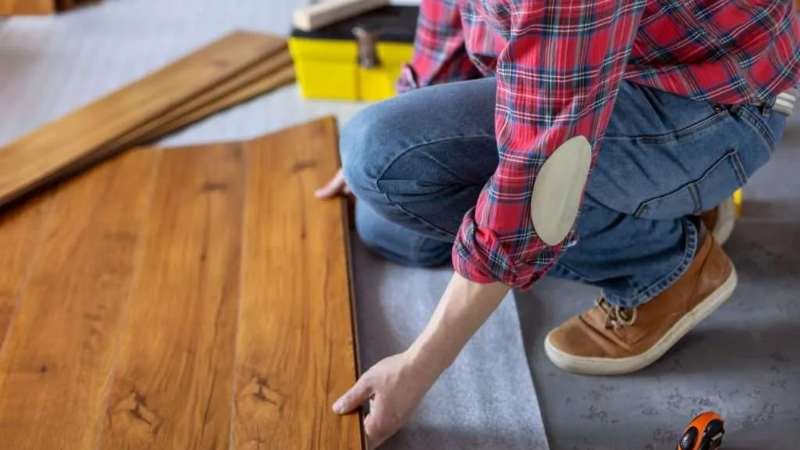
9. Professional Installation Makes a Difference
Installation affects performance.
Even high-quality flooring can fail if installed improperly.
Benefits of Professional Installation:
- Proper alignment and fitting
- Reduced risk of gaps or uneven surfaces
- Better long-term durability
Impact:
- Improved appearance
- Longer-lasting performance
Quality installation protects the investment.
The Trade-Off
Professional installation increases cost, but it helps avoid future repairs and issues.
The Takeaway: The Right Flooring Balances Style, Durability, and Function
Choosing flooring is about more than appearance. The best option should support your lifestyle, match the space, and provide long-term value.
A thoughtful decision considers:
- Room usage and traffic
- Flooring material characteristics
- Durability and maintenance
- Design compatibility
- Comfort and noise levels
- Budget
- Long-term home value
- Installation quality
The goal is not just to choose attractive flooring.
It is to choose flooring that works well every day.
When homeowners balance practicality with style, they create spaces that are comfortable, functional, and built to last.