AI Citations Versus Google Rankings_ A Smarter Way to Research Health and Home Advice
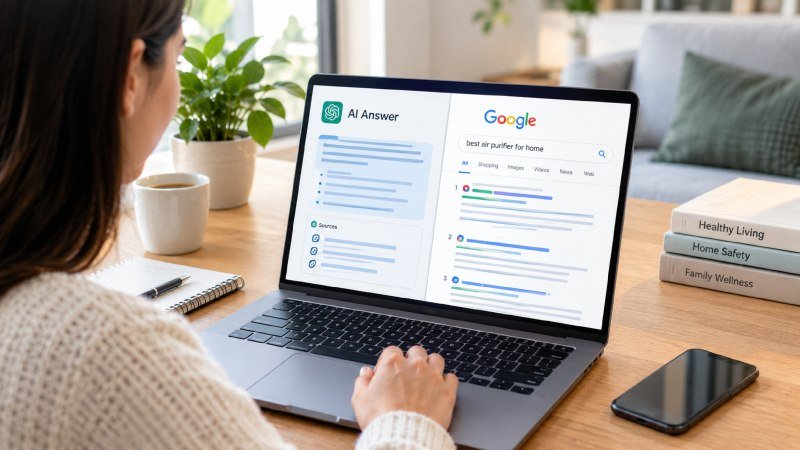
When a child develops a rash, a new appliance starts making a strange noise, or an older relative needs extra support at home, many families turn to the internet for a quick answer. AI tools can now summarize information in seconds, while search engines still provide pages of links to explore. Understanding AI citations versus Google rankings can help you judge what you are reading—and, just as importantly, what it does not prove.
A source named in an AI response may be useful, but its appearance is not a guarantee that the advice is correct or suitable for your situation. A high-ranking search result is not a guarantee either. These are different ways of finding information, and using both thoughtfully is often more helpful than relying on either one alone.
What Does It Mean to Be Cited by AI?
Some AI search and answer tools produce a written summary and identify websites that informed it. Those references are often called AI citations. The tool may quote a page, link to it, or list it as a source, giving readers a route to check the original material. The exact process varies between services, and a source can be cited without every detail on its page appearing in the summary.
For a household question, that distinction matters. An AI answer about cleaning a mold-prone bathroom might combine general prevention advice from several sources. It may still overlook the cause of moisture in your home or the particular precautions needed for a person with asthma. Treat the summary as a starting point, not a personal diagnosis or a complete plan.
How AI Citations Differ from Google Rankings
Search rankings arrange pages in response to a query. A result’s position reflects many signals, including how well a page appears to answer the question and how useful or trustworthy it seems to the search system. AI tools may instead select a small number of sources to support a generated response. A page can rank well in search but not be cited in an AI answer, or be cited without appearing near the top of a conventional results page.
That makes the comparison less like a contest and more like two different routes to information. Rankings give you choices to inspect. AI citations can make a short answer easier to verify, provided the source links are clear and relevant. Neither method tells you by itself whether advice is current, unbiased, or appropriate for your family.
For publishers and professionals who want a fuller explanation of how AI citations work, it helps to remember that visibility is not the same as authority. Readers should still follow the links and check who wrote the material, when it was updated, and what evidence it relies on.
A Practical Check Before You Act on Advice
Whether a suggestion arrives in a chatbot response or a search result, pause before making a health or home decision. A few basic checks can prevent a confident-sounding answer from becoming an expensive or unsafe mistake:
- Open the original source. Make sure the cited page actually supports the statement in the summary.
- Check the author and date. Medical guidance, product instructions, and local rules can change. Look for a named expert or responsible organization and a recent review date.
- Compare independent sources. For health concerns, favor established medical organizations and qualified clinicians. For repairs, check manufacturer instructions and local requirements.
- Look for limits and warnings. Reliable advice explains when it applies and when to seek professional help.
- Match the answer to your circumstances. Age, allergies, existing conditions, building type, and local climate can all change what is appropriate.
If a health problem is severe, worsening, or urgent, don’t wait for an online answer to settle it. Contact a healthcare professional or emergency service as appropriate. Likewise, suspected electrical hazards, gas leaks, or serious structural problems call for qualified help rather than a do-it-yourself interpretation of a search summary.
Why Clear Sources Matter to Families
Families often share useful links in group chats or save answers for later. That can be convenient, but a short AI summary may lose the context that made the original guidance sound. When passing advice along, include the source itself and any important cautions. This gives another person a chance to assess the information rather than relying on a paraphrase detached from its evidence.
Clear sourcing also matters when a company builds an AI tool for wellness, home maintenance, or family organization. The product team must decide how it handles private information, checks the material its system uses, and explains where answers come from. If a startup brings in outside technical help, it should define AI project ownership and security early: who controls the code and data, what access a freelancer needs, and how work is reviewed. A guide to hiring AI engineers can help founders think through those questions; Osdire is one marketplace where businesses can find freelance technical specialists.
Use AI as a Shortcut, Not a Substitute for Judgment
AI can save time by gathering themes, defining unfamiliar terms, or pointing you toward material to read. Search engines remain useful when you want to compare original sources, check a product manual, or find a local service. A sensible routine uses the speed of AI and the wider choice of search, then verifies important details at their source.
For decisions that affect health, safety, or a significant household expense, the final step is often a conversation with a qualified professional. Online visibility—whether a page is ranked or cited—can help you discover information. It cannot replace the judgment needed to apply that information safely to your home and family.