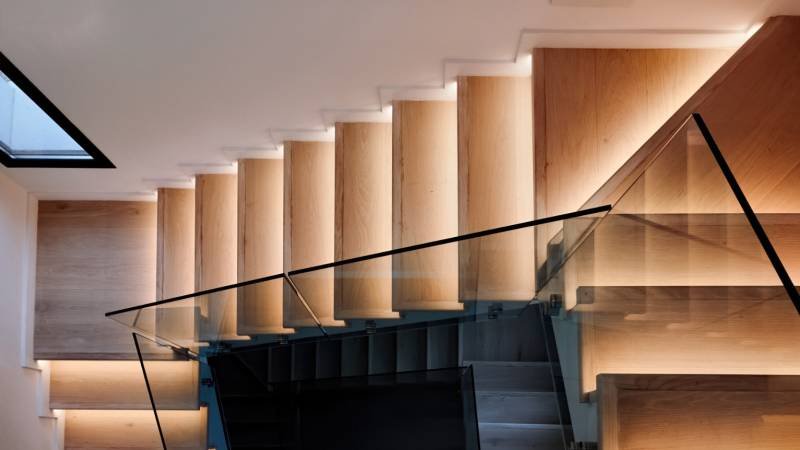
The Architectural Details That Make a Staircase Feel Expensive
Upon entering a home, one architectural feature is often seen first: the staircase.
Its primary purpose is functional. However, a staircase’s design can strongly affect the character and perceived quality of an interior. From carefully selected materials to subtle finishing touches, certain details can transform ordinary stairs into a striking focal point.
The Choice of Materials
What’s the biggest factor in determining how expensive a staircase looks? Material selection. From natural hardwoods and stone to metal, each can introduce a sense of quality. That’s especially true when the finish complements the surrounding interior.
For instance, a staircase featuring rich oak treads alongside a smooth, contrasting finish creates a timeless appearance. Another example is combining timber with glass or metal for a more contemporary aesthetic.
Don’t overlook consistency. Materials must feel intentional and not compete for attention. Even relatively simple designs appear sophisticated when their textures, colors, and finishes work together.
Statement Handrails and Balustrades
The handrail and balustrade are an opportunity to introduce distinctive architectural detail. As a result, avoid treating them as purely functional safety features. Explore how their shapes and materials contribute to the overall design.
Custom metal railings bring distinctive character to a staircase, with bespoke fabrication allowing homeowners to explore different handrail profiles, baluster arrangements, and decorative panels. Options such as powder-coated finishes present further flexibility, from understated matte black to more distinctive colors.
Whether paired with timber treads or incorporated into an entirely metal design, carefully crafted railings give a staircase a more considered, individual appearance. The key is balancing visual interest with cohesion with the rest of your property.
Explore a Sculptural Staircase Shape
When its shape moves beyond the usual straight-flight design, the staircase itself can become an architectural centerpiece.
Here are some examples of more distinctive shapes:
- Curved staircases introduce fluid lines and a sense of grandeur, particularly in properties with generous entrance halls.
- Spiral staircases create visual interest while making efficient use of available floor space.
- Mono-beam designs, supported by a single structural beam, can produce a striking floating effect.
These styles show how the staircase’s overall geometry can shape an interior’s atmosphere. Remember, selecting a design that complements your property’s proportions is essential to achieving the desired result.
Pay Attention to Finishing Details
Don’t be caught out by the name. Those small finishing details can make a world of difference to the staircase’s final appearance. From concealed fixings to consistent surface treatments, they contribute to a more refined result.
Lighting is another detail to ponder. Take integrated LED strips. When placed beneath treads or along handrails, they highlight the staircase’s structure while enhancing visibility after dark. Moreover, carefully positioned wall lights create depth and emphasize interesting architectural features.
A Connected Design
If it doesn’t relate to its surroundings, even an impressive staircase will look out of place. The flooring, wall finishes, doors, and other architectural elements all need to be considered when developing the design.
Repeating materials and using complementary finishes throughout the space creates visual continuity. This makes the staircase feel like an integral, flowing part of the home. Click here see more.