The Crucial Stages of Storm Damage Property Recovery
Recovering from a major weather event is rarely a linear process. It requires a synchronized effort between immediate physical stabilization, safety assessments, and long-term financial management. The most successful recoveries follow a structured path that prioritizes the health of the structure, personal safety, and the accuracy of documentation from the very first moments after the storm passes.
Immediate Mitigation in Storm Damage Property Recovery
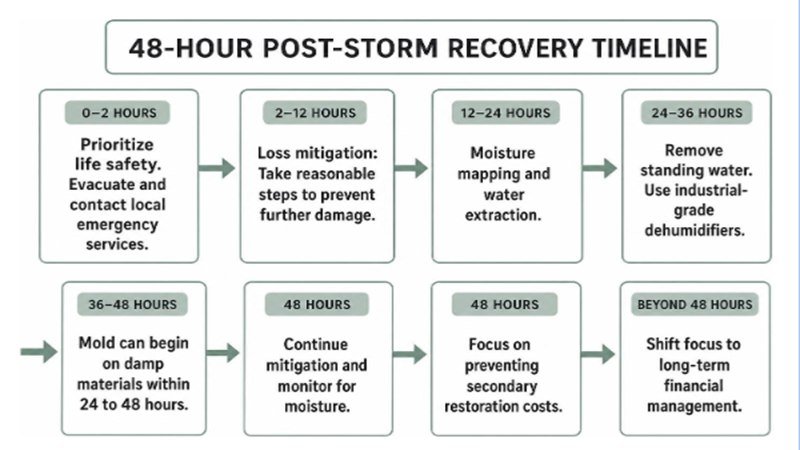
The first 48 hours are universally recognized as the most critical window in property restoration. According to environmental health guidelines, microbial growth such as mold and mildew can begin colonizing damp building materials within 24 to 48 hours of moisture intrusion. Your primary operational goal during this critical window is “loss mitigation”—the standard industry and legal term describing reasonable, timely steps taken by the property owner to prevent secondary destruction.
Before initiating any cleanup or salvage work, prioritize life safety above all else. Severe weather often creates hidden hazards that can be life-threatening. If you smell natural gas, observe downed or arching power lines, see standing water near electrical panels, or notice obvious structural deflection and ceiling sagging, evacuate the premises immediately and contact local emergency management and utility providers.
Once the property is officially deemed safe for entry, your immediate focus must shift to systematic moisture mapping and water extraction. Standing water should be removed using submersible pumps or wet extraction equipment. Professional-grade structural drying involves placing industrial low-grain refrigerant (LGR) or desiccant dehumidifiers alongside high-velocity centrifugal air movers. Using thermal imaging cameras and both pin-type and pinless moisture meters allows restoration specialists to trace hidden water migration behind drywall, inside wall cavities, and underneath subflooring. Taking these aggressive stabilization measures early can save tens of thousands of dollars in secondary structural rot, subfloor delamination, and microbial remediation costs.
Securing the Building Envelope and Temporary Repairs
“Securing the envelope” refers to sealing every compromised exterior boundary of your home against subsequent rain, wind, and debris. If your roof structure has been breached, siding ripped away, or windows broken by flying windborne debris, temporary weatherproofing must be executed without delay. Emergency tarping, roof shrink-wrapping, and window board-up services are not merely cosmetic steps; they are contractual obligations under almost all property insurance policies, which require homeowners to protect property from further exposure.
When securing tarps to damaged roof surfaces, always use proper mechanical fastening techniques. Fasten tarps using continuous 1×2-inch or 2×4-inch wooden batten strips screwed securely into structural framing, rather than using exposed roofing nails or staples that easily rip through reinforced poly tarps during subsequent gusts. Overlap adjoining tarps by at least 12 to 24 inches, ensuring the upper tarp overlaps the lower tarp like shingles to maintain a positive drainage plane and eliminate water ponding. On low-slope or flat roofing sections, use secured sandbags to weigh down edges without penetrating roof membranes. Meticulously catalog all emergency mitigation actions, taking date-stamped photos before and after applying temporary covers, and save every receipt for plywood, tarps, fasteners, and rental tools, as these costs are typically fully compensable under the reasonable emergency repairs provision of your insurance coverage.
Navigating Insurance Policies, Coverage, and Claim Filing
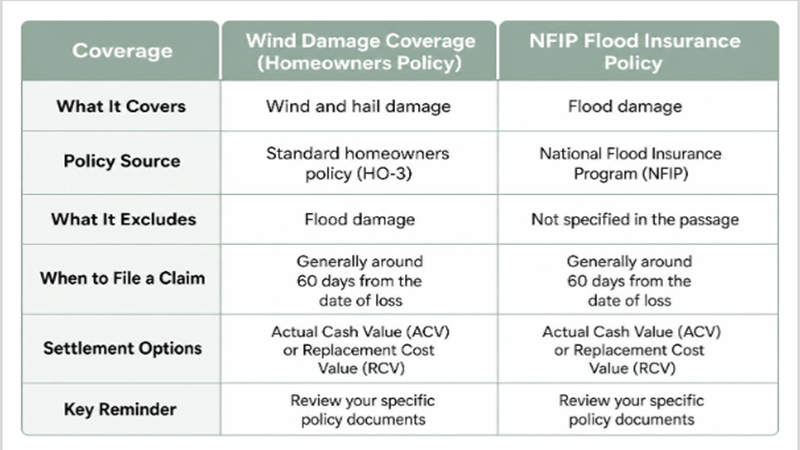
Understanding your insurance policy terms and endorsements is the foundation of a fair financial settlement. Standard homeowners insurance policies (such as an HO-3 or HO-5 form) generally cover sudden and accidental perils including windstorms, hail, fallen trees, and lightning strikes. However, standard policies almost universally exclude rising surface water, storm surge, and ground-level flooding. These events require dedicated flood insurance coverage written through the National Flood Insurance Program (NFIP) or private specialty flood insurers.
The deadline to formally report a loss is defined by state insurance statutes and specific policy endorsements, commonly requiring prompt notice within 30 to 60 days of the triggering event. When submitting a claim, understanding valuation methodology is essential. Actual Cash Value (ACV) reimburses the estimated replacement cost minus accrued depreciation based on the age and pre-loss condition of the damaged item. Replacement Cost Value (RCV), by contrast, covers the actual expenses required to repair or replace the damaged property with modern materials of like kind and quality without depreciation deductions once the work is completed.
Resolving Disputes and Managing Complex Claims
Insurance carriers routinely rely on third-party pricing software platforms, such as Xactimate or Symbility, to calculate repair scopes and unit costs. In catastrophic post-storm markets, high regional demand often drives up localized labor rates and material supply prices well above the standard software price databases. If your insurer’s estimate underprices local market realities or omits critical structural components, you are not obligated to accept the initial payout offer.
Engaging a professional for large-loss property damage claims can provide the leverage needed to ensure your settlement accurately reflects the true cost of restoration. Licensed public adjusters and independent forensic building consultants specialize in writing comprehensive line-item estimates, validating hidden structural defects, and negotiating complex claims directly with the insurer. Whether addressing pervasive hidden moisture behind exterior claddings, roof deck uplift, or total structural failure, maintaining organized, objective, and exhaustive documentation is your most effective protection against claim underpayment or denial.
Government Aid and Municipal Damage Reporting
When extreme natural disasters inflict widespread community destruction, federal, state, and regional emergency relief mechanisms are activated. Following a formal Presidential Major Disaster Declaration, the Federal Emergency Management Agency (FEMA) opens programs such as the Individuals and Households Program (IHP). These grants assist uninsured or underinsured homeowners with emergency housing, essential home repairs, and critical disaster-related personal property losses.
In tandem with FEMA grants, the U.S. Small Business Administration (SBA) offers low-interest disaster recovery loans to homeowners and renters, not just business entities. These long-term loans provide essential capital to repair primary residences or replace damaged personal belongings. Furthermore, the SBA frequently offers additional funds specifically earmarked for post-disaster mitigation upgrades, such as elevating utilities, reinforcing structural framing, or installing storm shutters to prevent recurring future damage.
Municipal building department damage assessments represent another indispensable asset during claim negotiations. Local building inspectors inspect storm-impacted properties to classify safety conditions, issuing standardized green, yellow, or red placards. Obtaining copies of official municipal inspection reports and safety notices provides authoritative third-party evidence regarding structural instability, mandatory building code trigger points, and utility disconnect orders that help substantiate insurance claims.
State and Federal Financial Relief Programs
In addition to primary federal aid avenues, state emergency management divisions and county social services frequently establish localized disaster recovery initiatives. State catastrophic relief funds and Community Development Block Grant Disaster Recovery (CDBG-DR) programs often allocate assistance to vulnerable populations, including elderly and low-income homeowners, to complete essential habitability repairs.
Homeowners should also consult their county property tax assessor’s office immediately following major destruction. Many jurisdictions provide statutory property tax abatement or temporary downward assessment adjustments for residential properties rendered partially or totally uninhabitable by natural disasters. In addition, disaster-related casualty losses not reimbursed by insurance may qualify for special federal income tax deductions when sustained within a federally declared disaster area, providing vital financial relief during rebuilding.
Choosing Vetted Contractors and Rebuilding Structures
The construction and reconstruction phase ultimately determines the long-term integrity, safety, and longevity of your home. Following severe weather events, disaster areas are frequently targeted by transient, unlicensed contractors, commonly termed “storm chasers.” These operators often perform substandard cosmetic work, demand steep upfront cash deposits, or disappear before resolving municipal permitting requirements.
Protect your investment by vetting every general contractor and specialty trade professional thoroughly. Require written proof of active state contractor licensing, general liability insurance policies, and comprehensive workers’ compensation coverage. Reputable restoration contractors use standard itemized estimation software compatible with insurance guidelines and provide clear, transparent scopes of work. For those needing expert roofing and exterior solutions, ensure the provider has experience navigating the specific building codes that were updated following major hurricanes.
Restoring the Roof and Exterior Envelope
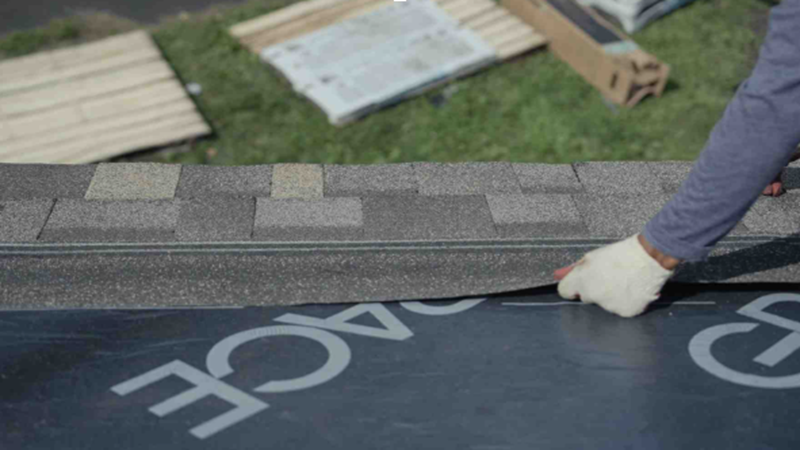
Rebuilding after a disaster offers a valuable opportunity to dramatically improve structural resilience. When replacing damaged roof systems, consider upgrading from traditional three-tab asphalt shingles to Class 4 impact-resistant architectural shingles certified under UL 2218 standards, or transitioning to standing seam metal roofing engineered to withstand extreme wind velocities. Installing modern secondary water barriers, such as self-adhering peel-and-stick underlayments across the entirety of the roof deck, prevents water penetration even if primary shingles are torn away during future storms.
Ensure that all structural sheathing is fastened to roof trusses using ring-shank nails with updated spacing schedules to maximize uplift resistance. Every detail—from step flashing and counter-flashing along sidewalls to continuous ridge venting and impact-rated soffits—must be executed according to current high-wind building codes. Demand detailed written contracts specifying exact product manufacturers, warranty coverages, milestone-based payment schedules, and lien waivers before making final payments.
Fortifying the Structure Against Future Severe Weather
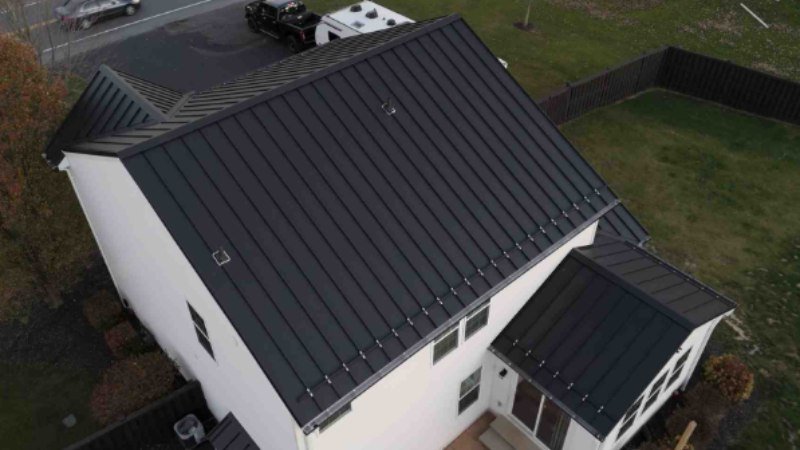
True post-storm recovery encompasses not just returning a structure to its pre-loss state, but actively fortifying it against future severe weather events. By incorporating structural hardening strategies during the reconstruction process, homeowners can significantly reduce vulnerability to high winds, hail, and torrential rainfall.
Key structural retrofits include installing impact-rated windows and doors that satisfy stringent missile-impact standards, or mounting permanently anchored accordion or roll-down hurricane shutters. Garage doors represent one of the most vulnerable breach points during high-wind events; upgrading to a reinforced, wind-load-rated garage door assembly prevents catastrophic internal pressurization that can blow off roof structures. Strengthening continuous load paths by installing metal hurricane clips and straps between rafters, wall studs, and foundational sill plates dramatically improves resistance to wind uplift.
Long-Term Planning for Storm Damage Property Recovery
Proactive long-term planning is your strongest defense against future meteorological hazards. Perform an annual pre-storm property assessment, maintaining a minimum 10-foot clearance zone between overhanging tree branches and your roofline, cleaning out gutters, and confirming that surface drainage slopes away from foundation walls.
Create a comprehensive digital property inventory. Capture 360-degree high-definition video walkthroughs of every room, closet, and storage area annually, logging high-value items, appliances, electronics, and furnishings along with serial numbers and purchase receipts. Store these records on encrypted cloud storage platforms for instant accessibility from any device. Finally, schedule an annual insurance policy review with your agent to ensure dwelling limits, personal property endorsements, and code-upgrade coverages keep pace with fluctuating regional construction costs.
Frequently Asked Questions About Storm Damage Property Recovery
How long do I have to file an insurance claim after severe storm damage?
While the standard is often 60 days, some policies have shorter windows for reporting. Always notify your insurer as soon as it is safe to do so. Delaying notification can sometimes be used by carriers to argue that the damage worsened due to neglect.
What is the difference between actual cash value and replacement cost coverage?
Actual Cash Value pays out based on what the item was worth at the time of the loss, factoring in age and wear. Replacement Cost coverage pays for the actual cost to repair or replace the item with new materials of similar quality, without a deduction for depreciation.
Can I begin permanent repairs before the insurance adjuster inspects the property?
You should perform emergency, temporary repairs to prevent further damage, but avoid permanent reconstruction until the adjuster has had an opportunity to inspect the loss. Always take extensive photos and videos of the damage before you touch anything.
Conclusion
Storm Damage Property Recovery is a marathon, not a sprint. By prioritizing safety, documenting every step of the process, and relying on vetted professionals, you can navigate the complexities of insurance and reconstruction. Your home is not just a structure; it is your sanctuary, and taking the time to restore it properly is the best investment you can make for your future peace of mind.